
Understanding the Costs of Blown-In Insulation Pricing Factors
- upwardhomepartners
- May 14
- 4 min read
When it comes to making your home or commercial property more energy-efficient, insulation is a key player. Blown-in insulation is one of the most popular options out there, but before you dive in, you probably want to know: what’s the damage to your wallet? I’m here to break down the costs of blown-in insulation in a way that’s easy to understand, practical, and maybe even a little fun. So, let’s get into the nitty-gritty of blown-in insulation pricing factors and what you can expect.
What Exactly Is Blown-In Insulation?
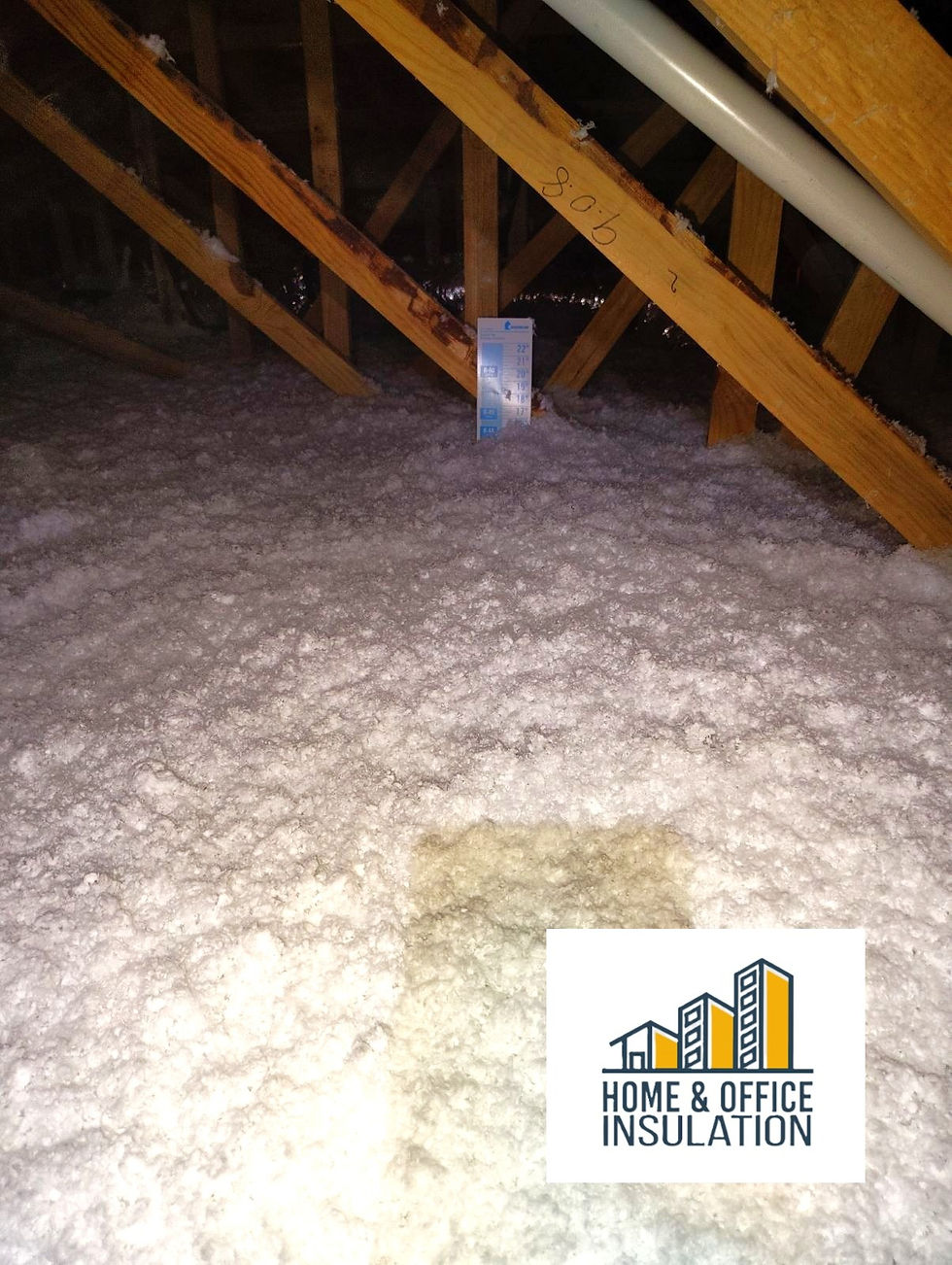
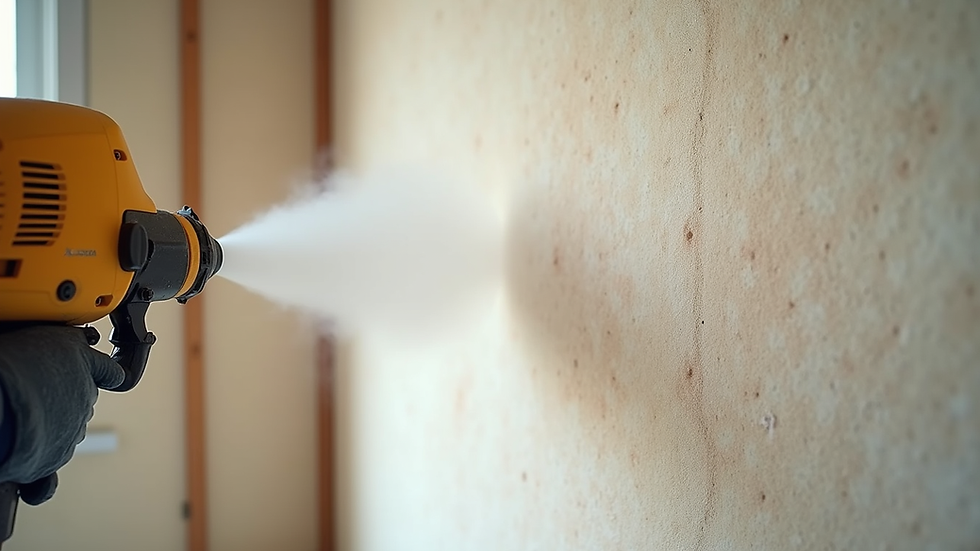
Before we talk money, let’s quickly cover what blown-in insulation actually is. It’s a type of insulation made from loose fibers, usually cellulose, fiberglass, or mineral wool, that are literally blown into your walls, attic, or other spaces using special equipment. This method fills gaps and hard-to-reach areas better than traditional batts or rolls.
Why does that matter? Because better coverage means better energy efficiency, which means lower heating and cooling bills. But, of course, the initial cost is what most people want to understand first.

Blown-In Insulation Pricing Factors You Should Know
Now, let’s talk about the factors that influence the cost of blown-in insulation. It’s not just a flat fee; several things come into play:
1. Type of Insulation Material
Cellulose: Made from recycled paper treated with fire retardants. It’s eco-friendly and usually the most affordable option.
Fiberglass: Made from spun glass fibers. It’s a bit more expensive but offers excellent thermal performance.
Mineral Wool: The priciest option, but it provides superior fire resistance and soundproofing.
2. Area Size and Accessibility
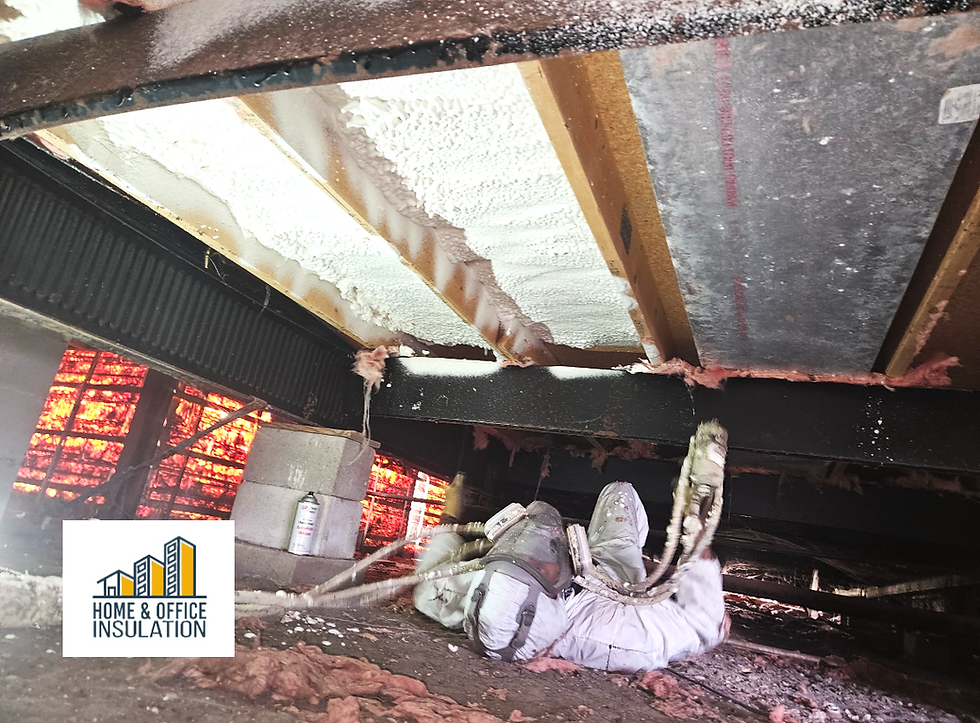
The bigger the space, the more material and labor you’ll need. Also, if your attic or walls are hard to access, expect to pay more. Tight spaces or tricky angles can slow down the job and increase labor costs.
3. Depth and R-Value Desired
R-value measures insulation’s ability to resist heat flow. The higher the R-value, the better the insulation. To achieve a higher R-value, you’ll need more material, which means higher costs.
4. Removal of Old Insulation
If you have old insulation that needs to be removed before installing blown-in insulation, this will add to the cost. Sometimes old insulation is contaminated or damaged, so removal is necessary.
5. Labor Costs in Your Area
Labor rates vary by region. In Texas, for example, labor might be more affordable compared to other states, but it still depends on the company and the complexity of the job.
6. Additional Services
Some companies offer air sealing, moisture barriers, or pest control as part of the insulation package. These extras can add value but also increase the price.
Understanding these factors helps you get a clearer picture of what you’re paying for and why.
Is Blown Insulation Worth the Cost?
Let’s get real for a moment. You’re probably wondering if blown-in insulation is worth the investment. The short answer? Yes, but with some caveats.
Energy Savings
Blown-in insulation can reduce your heating and cooling costs by up to 20-30%. That’s a significant saving, especially in Texas where summers can be brutal and winters can surprise you.
Comfort and Noise Reduction
Besides saving money, blown-in insulation improves your home’s comfort by keeping temperatures stable and reducing outside noise. If you work from home or just want a quieter space, this is a big plus.
Increased Property Value
Good insulation is a selling point. If you ever decide to sell your property, having quality insulation can boost your home’s market value.
Payback Period
Typically, the cost of blown-in insulation pays for itself in energy savings within 3-5 years. After that, it’s pure savings.
Environmental Impact
If you choose cellulose, you’re also making an eco-friendly choice by using recycled materials and reducing your carbon footprint.
So, while the upfront cost might seem high, the long-term benefits often outweigh the initial investment.
How Much Does Blown-In Insulation Cost?
Now, the moment of truth. If you’re asking how much does blown in insulation cost, here’s a general breakdown:
Material Costs: $0.50 to $2.00 per square foot depending on the type of insulation.
Installation Costs: $1.00 to $3.00 per square foot, influenced by labor rates and job complexity.
Total Cost: On average, expect to pay between $1.50 and $5.00 per square foot.
For example, insulating a 1,000 square foot attic might cost between $1,500 and $5,000. The wide range depends on the factors we discussed earlier.
Tips to Save Money
Get multiple quotes from reputable contractors.
Consider doing prep work yourself, like clearing the attic.
Look for local rebates or incentives for energy-efficient upgrades.
Choose cellulose if you want a budget-friendly option.
Choosing the Right Contractor for Your Insulation Project
Picking the right contractor can make or break your insulation experience. Here’s what to look for:
Experience and Reputation: Check reviews and ask for references.
Proper Licensing and Insurance: This protects you from liability.
Detailed Estimates: A good contractor will provide a clear, written estimate.
Warranty and Follow-Up: Ask about guarantees on workmanship and materials.
Communication: You want someone who answers your questions clearly and promptly.
Don’t be shy about asking questions. A confident contractor will be happy to explain the process and costs in plain English.
Final Thoughts on Blown-In Insulation Pricing
Investing in blown-in insulation is a smart move for energy efficiency, comfort, and property value. While the cost varies based on several factors, understanding these can help you budget wisely and avoid surprises.
Remember, the cheapest option isn’t always the best. Focus on quality materials and professional installation to get the most bang for your buck. And if you’re curious about how much does blown in insulation cost for your specific project, reach out to a trusted local provider for a personalized quote.
With the right approach, blown-in insulation can be a game-changer for your home or commercial property in Texas. Stay warm, stay cool, and keep those energy bills in check!

Comments