
Insulation Materials for Texas Homes: Finding the Best Fit for Your Space
- upwardhomepartners
- 6 days ago
- 4 min read
Living in Texas means dealing with some serious heat in the summer and, believe it or not, chilly winters that sneak up on you. If you’ve ever felt like your energy bills are auditioning for a horror movie, or your home’s temperature swings more than a rodeo bull, it might be time to rethink your insulation. I’ve been down that road, and let me tell you, choosing the right insulation can feel like trying to pick the best BBQ joint in Texas—there are a lot of options, and not all of them are winners.
Let’s break down the essentials of insulation materials for Texas homes, so you can make a smart, confident choice that keeps your home comfy year-round without breaking the bank.
Understanding Insulation Materials for Texas Homes
Texas is a big state with diverse climates, but one thing is clear: insulation needs to handle both the blazing heat and the occasional cold snap. The right insulation material can save you money, improve comfort, and even reduce your carbon footprint. Here’s a quick rundown of the most common types of insulation materials you’ll encounter:
Fiberglass Batts: The classic pink or yellow rolls you see in movies. Affordable and easy to install, fiberglass batts are great for walls and attics. They work by trapping air pockets, slowing heat transfer.
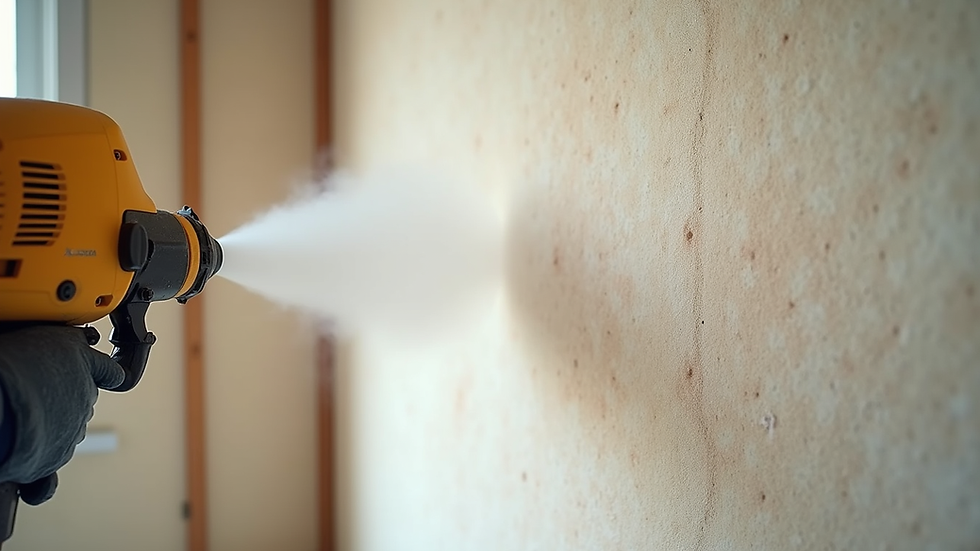
Spray Foam: This stuff expands like magic and seals every nook and cranny. It’s excellent for stopping air leaks and has a high R-value (thermal resistance), but it’s pricier.
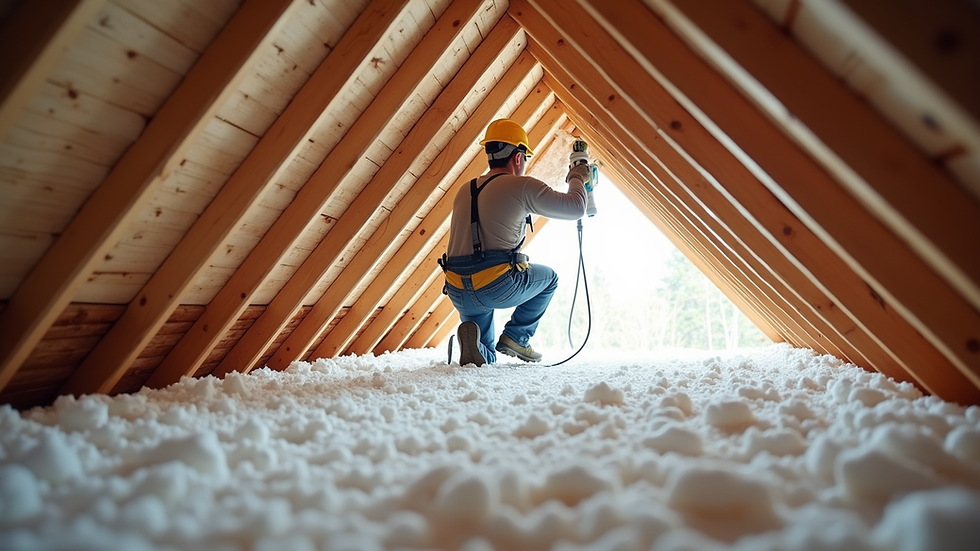
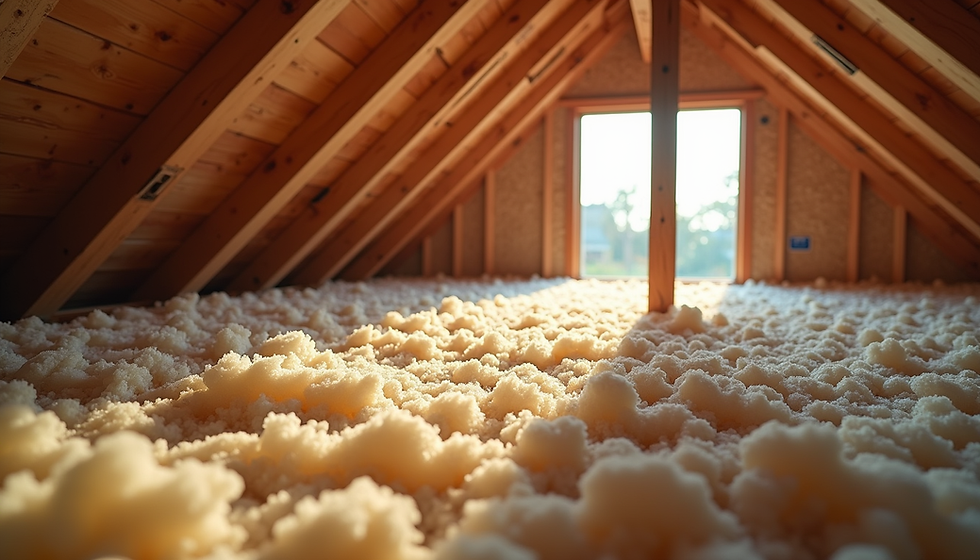
Cellulose: Made from recycled paper treated for fire resistance, cellulose is blown into walls and attics. It’s eco-friendly and does a good job at filling gaps.
Rigid Foam Boards: These panels provide a solid barrier against heat and moisture. They’re often used in basements or exterior walls.
Reflective or Radiant Barriers: These are shiny materials installed in attics to reflect radiant heat away from your home, perfect for Texas’s hot sun.
Each material has its pros and cons, and the best choice depends on your home’s design, budget, and specific insulation needs.

How to Choose the Right Insulation for Your Texas Home
Choosing insulation isn’t just about picking the fluffiest or cheapest option. You want something that suits Texas’s unique climate and your home’s structure. Here are some practical tips:
Consider the Climate Zones: East Texas tends to be more humid, so moisture resistance is key. West Texas is drier but hotter, so radiant barriers and high R-value insulation help.
Look at R-Values: This number tells you how well the insulation resists heat flow. The higher the R-value, the better. For Texas, aim for R-30 to R-60 in attics and R-13 to R-21 in walls.
Air Sealing Matters: Insulation works best when combined with proper air sealing. Spray foam is great here because it fills gaps and cracks.
Think About Installation: DIY-friendly options like fiberglass batts are tempting, but professional installation of spray foam or cellulose can pay off in the long run.
Check for Moisture Control: Humidity can cause mold and damage. Materials like closed-cell spray foam or rigid foam boards help keep moisture out.
Remember, the goal is to create a barrier that keeps the Texas heat out in summer and the warmth in during winter, all while managing moisture and air leaks.
How Much Would It Cost to Insulate a 2000 sq ft House?
Now, let’s talk dollars and cents. Insulating a 2000 square foot home in Texas can vary widely depending on the material and installation method you choose. Here’s a rough breakdown:
Fiberglass Batts: $1,500 to $3,000
Blown-in Cellulose: $2,000 to $4,000
Spray Foam (Open Cell): $3,000 to $6,000
Spray Foam (Closed Cell): $5,000 to $10,000
Rigid Foam Boards: $3,000 to $7,000
Keep in mind, these prices include materials and professional installation. While spray foam looks expensive upfront, it often pays for itself with energy savings and improved comfort. Fiberglass is budget-friendly but might not seal air leaks as well.
Also, don’t forget to factor in potential rebates or tax credits for energy-efficient upgrades in Texas. They can help soften the financial blow.

Benefits of Upgrading Your Home’s Insulation in Texas
Upgrading your insulation isn’t just about surviving the summer heat or winter chills. It’s about making your home smarter and more efficient. Here’s what you get:
Lower Energy Bills: Proper insulation reduces the workload on your HVAC system, saving you money.
Improved Comfort: Say goodbye to hot spots and cold drafts.
Noise Reduction: Insulation also dampens outside noise, making your home a peaceful retreat.
Increased Home Value: Energy-efficient homes are more attractive to buyers.
Environmental Impact: Using eco-friendly insulation materials helps reduce your carbon footprint.
If you’re tired of feeling like you’re living in a sauna or an icebox, investing in the right insulation is a game-changer.
Tips for Maintaining Your Insulation and Maximizing Efficiency
Once you’ve got your insulation installed, don’t just set it and forget it. Here are some tips to keep it working well:
Inspect Annually: Check for signs of moisture, pests, or damage.
Seal Air Leaks: Use caulk or weatherstripping around doors and windows.
Ventilate Properly: Good attic ventilation prevents moisture buildup.
Upgrade When Needed: If your insulation is old or compressed, consider adding more or replacing it.
Combine with Other Energy-Saving Measures: Use energy-efficient windows, doors, and HVAC systems for best results.
Taking care of your insulation means it will keep your home comfortable and your energy bills low for years to come.
If you’re ready to find the best insulation for Texas homes, remember it’s about matching the right material to your home’s needs and climate. Whether you go for the classic fiberglass or the high-tech spray foam, a well-insulated home is a happy home. And hey, who doesn’t want to enjoy Texas summers without feeling like they’re roasting a brisket indoors?
Stay cool, stay warm, and keep those energy bills in check!
Comments