
Transform Your Home: Reduce Utility Bills with Spray Foam Insulation
- upwardhomepartners
- Dec 22, 2025
- 3 min read
Updated: Mar 20
Utility bills can take a big chunk out of your monthly budget, especially when your home loses heat in winter or cool air in summer. One effective way to cut those costs is by improving your home's insulation. Spray foam insulation stands out as a powerful solution that not only seals your home tightly but also boosts energy efficiency. This post explains how spray foam insulation works, its benefits, and why it can significantly reduce your utility bills.

How Spray Foam Insulation Works
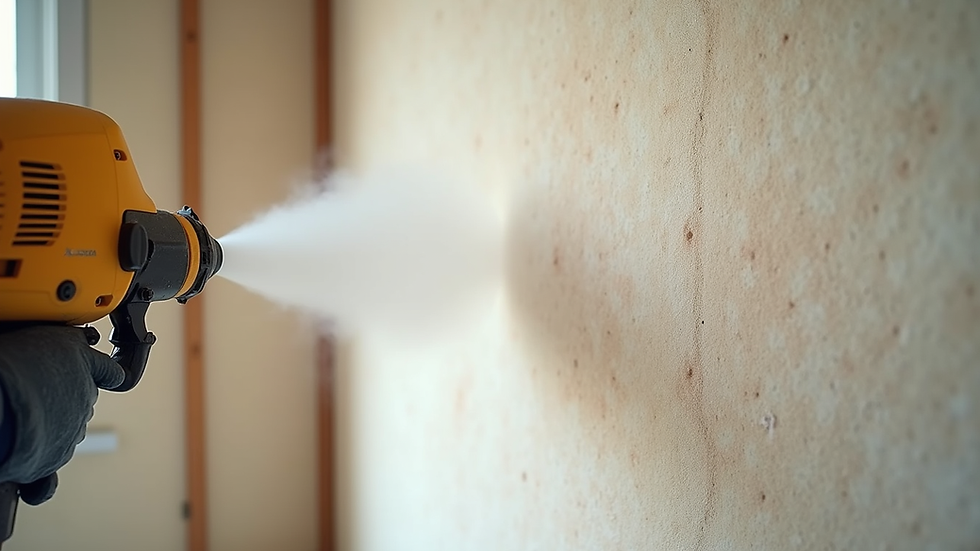
Spray foam insulation is a liquid that expands into a thick foam when applied. It fills cracks, gaps, and hard-to-reach spaces in walls, ceilings, and floors. This expansion creates an airtight seal that prevents air leaks, which are a major cause of energy loss in homes.
Unlike traditional insulation materials like fiberglass or cellulose, spray foam adheres directly to surfaces and forms a continuous barrier. This barrier stops warm air from escaping during winter and keeps hot air out during summer. The result is a more stable indoor temperature and less reliance on heating and cooling systems.
Benefits of Spray Foam Insulation for Your Utility Bills
Spray foam insulation offers several advantages that directly impact your energy costs:
Air Sealing: It blocks drafts and air leaks that cause heating and cooling systems to work harder.
High R-Value: Spray foam has a higher R-value per inch compared to other insulation types, meaning it provides better thermal resistance.
Moisture Barrier: It reduces moisture infiltration, which can affect insulation performance and lead to mold growth.
Longevity: Spray foam lasts longer without sagging or settling, maintaining its effectiveness over time.
By improving your home's energy efficiency, spray foam insulation reduces the amount of energy needed to heat or cool your space. Studies show that homeowners can save between 10% and 50% on their utility bills after installing spray foam insulation, depending on the home's size, climate, and previous insulation quality.
Real-Life Examples of Savings
Consider a 2,000-square-foot home in a cold climate. Before spray foam, the homeowner paid around $200 monthly for heating during winter. After installing spray foam insulation in the attic and walls, the heating bill dropped to about $120 per month. That’s a 40% reduction, which adds up to nearly $1,000 saved each heating season.
In warmer regions, spray foam helps keep cooling costs down. One homeowner reported a 30% decrease in summer electricity bills after sealing their home with spray foam. The improved insulation kept the indoor temperature cooler, reducing air conditioner runtime.
Installation Tips and Considerations
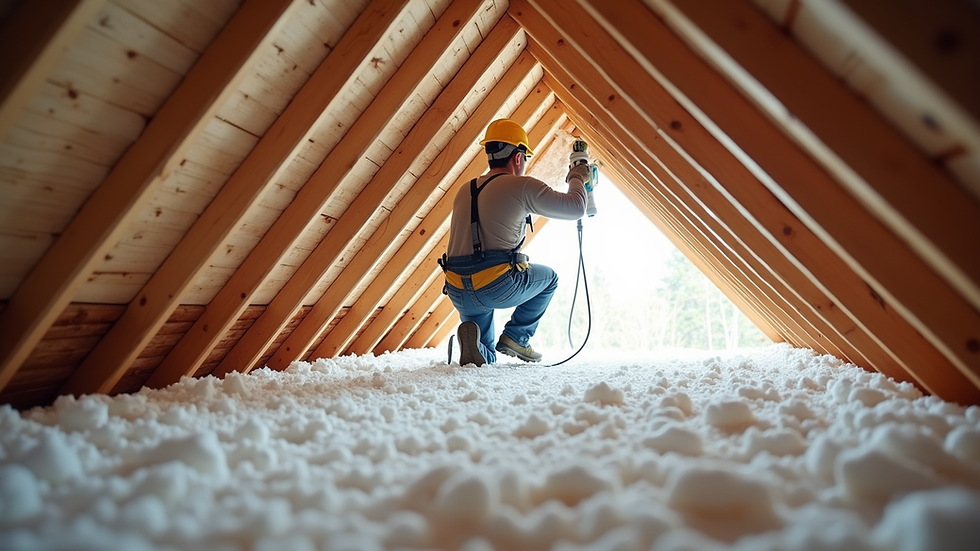
Spray foam insulation requires professional installation to ensure safety and effectiveness. Here are some tips to keep in mind:
Choose the right type: There are two main types—open-cell and closed-cell spray foam. Closed-cell offers higher insulation value and moisture resistance, ideal for exterior walls and basements. Open-cell is more flexible and better for interior walls.
Prepare your home: Clear the area and cover furniture to protect from overspray.
Ventilation: Ensure proper ventilation during and after installation to avoid fumes.
Check local codes: Some areas have regulations on spray foam use, so verify before installation.
Additional Benefits Beyond Savings
Spray foam insulation also improves indoor comfort and air quality. By sealing gaps, it reduces dust, pollen, and outdoor pollutants entering your home. This can benefit people with allergies or respiratory issues.
The added structural strength from closed-cell spray foam can also protect your home during storms or high winds. Plus, the moisture barrier helps prevent mold and mildew, which can damage your home and affect health.
Final Thoughts on Spray Foam Insulation and Utility Bills
Spray foam insulation offers a smart investment for homeowners looking to reduce utility bills and improve home comfort. Its ability to seal air leaks, provide superior thermal resistance, and last for years makes it a cost-effective choice.
If you want to lower your energy costs and create a more comfortable living space, consider consulting a professional about spray foam insulation. The upfront cost is often offset by the savings on your monthly bills and the added value to your home. For more info, visit us at homeandofficeinsulation.com


Comments