
The Year-Round Benefits of Proper Insulation for Your Home
- upwardhomepartners
- Dec 23, 2025
- 4 min read
Proper insulation is often overlooked when it comes to home improvement, yet it plays a crucial role in maintaining comfort and reducing energy costs throughout the year. Whether it's the biting cold of winter or the sweltering heat of summer, insulation helps regulate indoor temperatures, making your home a more pleasant place to live. This post explores how insulation benefits your home in every season, offering practical insights and examples to help you understand its value.

How Insulation Works to Regulate Temperature
Insulation acts as a barrier that slows down the transfer of heat. In winter, it keeps warm air inside your home, preventing heat from escaping through walls, ceilings, and floors. During summer, it blocks heat from entering, keeping your indoor spaces cooler. This dual function reduces the workload on heating and cooling systems, which can lower energy bills and extend the lifespan of HVAC equipment.
The effectiveness of insulation depends on its type, thickness, and proper installation. Common materials include fiberglass, foam board, cellulose, and spray foam. Each has unique properties suited for different parts of the home, such as attics, walls, or basements.
Benefits of Insulation in Winter
Winter is when insulation shows its most obvious advantages. Without proper insulation, warm air generated by your heating system escapes quickly, forcing the system to work harder to maintain a comfortable temperature. This leads to higher energy consumption and costs.
Here are some specific benefits insulation provides during cold months:
Improved Comfort
Insulation keeps indoor temperatures stable and prevents cold drafts near windows and doors. This creates a cozy environment where you can relax without bundling up indoors.
Lower Heating Bills
Homes with good insulation can reduce heating costs by up to 20-30%. This saving adds up significantly over the course of a cold season.
Reduced Moisture Problems
Proper insulation combined with vapor barriers helps control moisture buildup, which can prevent mold growth and structural damage caused by condensation.
For example, a homeowner in Minnesota upgraded their attic insulation from R-19 to R-49. They reported a 25% reduction in heating bills the following winter and noticed fewer cold spots in their living room.
Benefits of Insulation in Summer
While many focus on winter benefits, insulation is equally important in summer. It helps keep your home cool by limiting heat gain from outside, which reduces the need for air conditioning.
Key summer benefits include:
Consistent Indoor Temperature
Insulation prevents hot air from penetrating your walls and roof, maintaining a cooler indoor environment even during heatwaves.
Energy Savings
By reducing the demand on air conditioners, insulation lowers electricity bills. Homes with proper insulation can save up to 15% on cooling costs.
Noise Reduction
Insulation also acts as a sound barrier, reducing outdoor noise such as traffic or neighborhood activity, which can be more noticeable when windows are closed during hot weather.
A family in Texas installed spray foam insulation in their walls and attic. They found their air conditioner ran less frequently, and their monthly energy bills dropped by nearly 18% during the summer months.
Insulation’s Role in Spring and Fall
Spring and fall often bring fluctuating temperatures, making insulation just as valuable. During these transitional seasons, insulation helps maintain a comfortable indoor climate without constantly adjusting heating or cooling systems.
Temperature Stability
Insulation reduces temperature swings inside the home, so you don’t feel too hot during the day or too cold at night.
Energy Efficiency
Even when the weather is mild, insulation helps your home use energy efficiently by minimizing heat loss or gain.
Extended HVAC Lifespan
By reducing how often heating and cooling systems cycle on and off, insulation helps prevent wear and tear, potentially extending equipment life.
For example, a homeowner in Oregon noticed that after upgrading their wall insulation, their furnace and air conditioner ran less frequently during spring and fall, making their home more comfortable and lowering maintenance costs.
Choosing the Right Insulation for Your Home
Selecting the right insulation depends on your climate, home design, and budget. Here are some common options and where they work best:
Fiberglass Batts
Affordable and easy to install, ideal for walls, floors, and attics.
Spray Foam
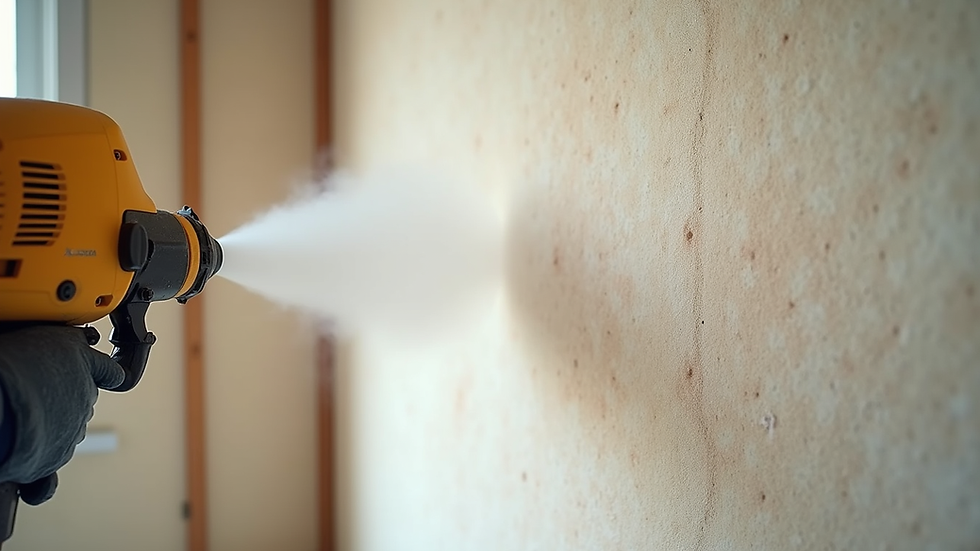
Provides excellent air sealing and high R-values, great for irregular spaces and tight seals.
Cellulose
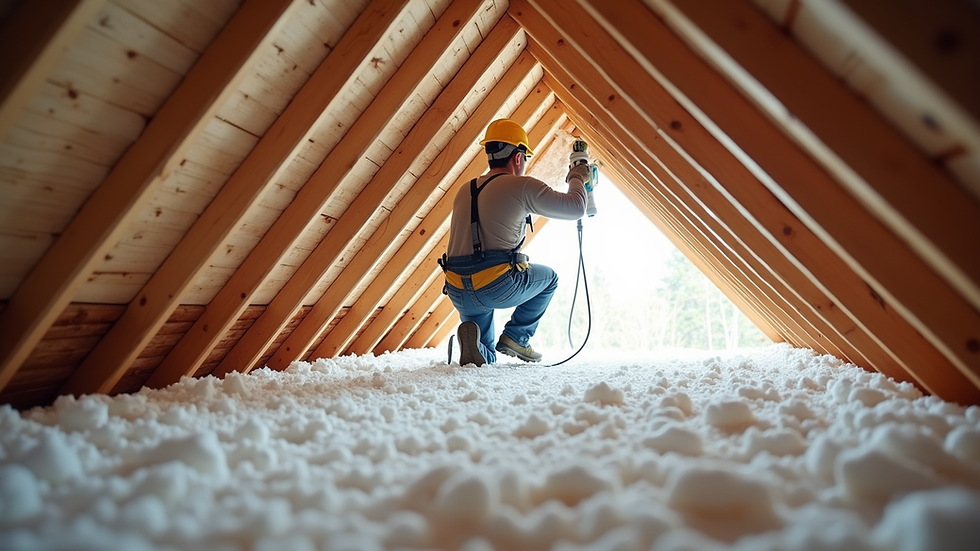
Made from recycled paper, good for walls and attics, offers good thermal performance.
Rigid Foam Boards
Used for exterior walls and foundations, provides moisture resistance and high insulation value.
Consulting with a professional can help you determine the best insulation type and thickness for your home’s specific needs.
Signs Your Home Needs Better Insulation
You might need to improve your insulation if you notice:
Drafts or cold spots near windows, doors, or floors
High energy bills despite moderate heating or cooling use
Uneven temperatures between rooms
Excessive noise from outside
Ice dams forming on your roof in winter
Addressing these issues with proper insulation can improve comfort and reduce costs.
Additional Tips to Maximize Insulation Benefits
Seal Air Leaks
Use weatherstripping and caulk to seal gaps around windows, doors, and vents.
Maintain Your Insulation
Check for damage or compression, especially in attics and crawl spaces, and replace or add insulation as needed.
Use Window Treatments
Curtains and blinds can complement insulation by blocking heat in summer and retaining warmth in winter.
Ventilate Properly
Ensure your home has adequate ventilation to prevent moisture buildup without losing heat.
Final Thoughts on Insulation’s Year-Round Value
Proper insulation is a smart investment that pays off in every season. It keeps your home comfortable, lowers energy costs, and protects your property from moisture damage. Whether you live in a cold climate or a hot one, upgrading your insulation can make a noticeable difference in your daily life.

Comments