
The Ultimate Guide to Blown-In Wall Insulation: What You Need to Know
- upwardhomepartners
- Mar 30
- 4 min read
If you’ve ever felt like your walls are just giant heat leeches or cold air tunnels, you’re not alone. Insulation is the unsung hero of any comfortable home or office. Today, I’m diving into the world of blown-in wall insulation—a practical, efficient, and sometimes overlooked way to boost your building’s energy efficiency. Whether you’re a homeowner, builder, or commercial property owner in Texas, this guide will walk you through everything you need to know about this insulation method, with a sprinkle of humor to keep things lively.
Why Choose Blown-In Wall Insulation?
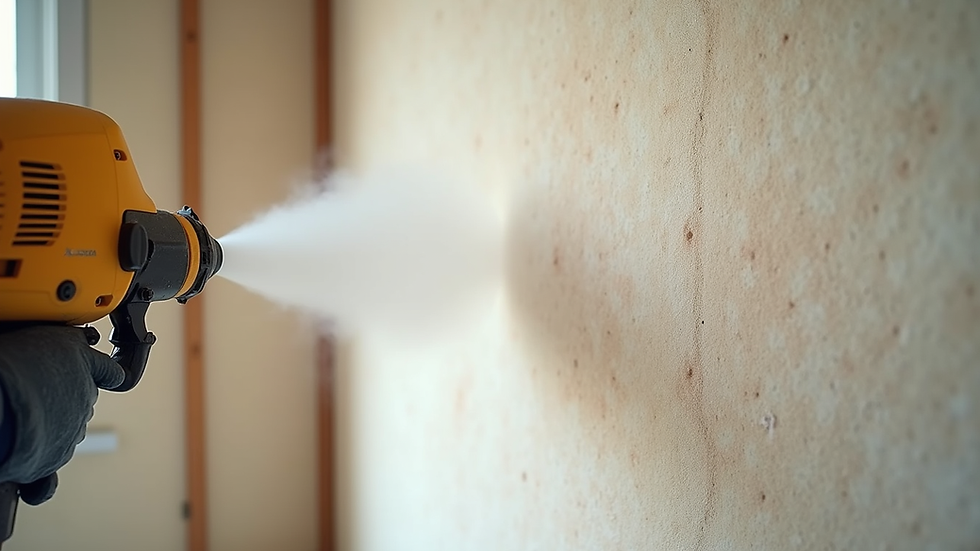
Let’s start with the basics. Blown-in wall insulation is exactly what it sounds like: tiny particles of insulation material are literally blown into your wall cavities. This method fills gaps and hard-to-reach spaces better than traditional batt insulation, which is like trying to stuff a sleeping bag into a suitcase without folding it.
What makes blown-in insulation a smart choice?
Better coverage: It fills every nook and cranny, reducing air leaks.
Quick installation: Professionals can get the job done faster than you can say “energy bill.”
Versatility: Works great in new builds and retrofits.
Soundproofing: Bonus! It helps muffle noise from outside or between rooms.
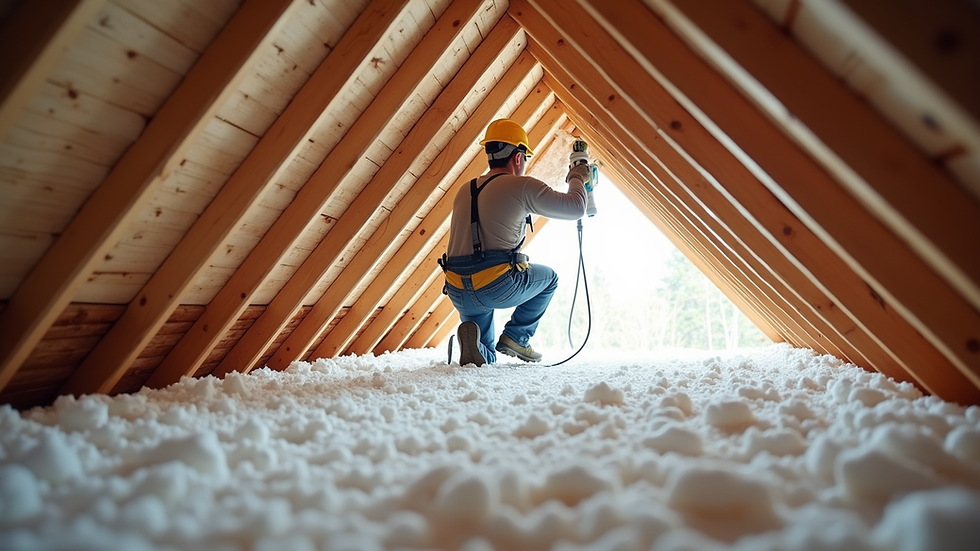
If you’re considering adding blown in insulation to existing walls, this method is often the easiest and least invasive way to upgrade your insulation without tearing down drywall.

How Does Blown-In Wall Insulation Work?
Imagine your walls as a sandwich. The drywall is the bread, and the insulation is the filling. With blown-in insulation, the filling is sprayed or blown into the space between the drywall and the exterior wall sheathing. The material can be cellulose (recycled paper treated for fire resistance), fiberglass, or mineral wool.
The installation process in a nutshell:
Drill small holes in the drywall or exterior sheathing.
Blow the insulation into the wall cavity using a special machine.
Seal the holes with drywall patches or exterior caulking.
This method is especially handy for existing walls where removing drywall would be a nightmare. Plus, it’s a great way to improve insulation without major renovations.
What Are the Disadvantages of Blown-In Insulation?
No insulation method is perfect, and blown-in insulation has its quirks. Here’s the lowdown:
Settling over time: Some materials, like cellulose, can settle and leave gaps if not installed properly.
Moisture concerns: If your walls have moisture issues, blown-in insulation can trap moisture, leading to mold.
Installation skill matters: Poor installation can cause uneven coverage or damage to walls.
Not DIY-friendly: Unless you’re a pro, renting a blower and doing it yourself can be messy and tricky.
Despite these drawbacks, when installed correctly by professionals, blown-in insulation is a reliable and cost-effective solution.
How to Prepare Your Walls for Blown-In Insulation
Before you jump into the insulation game, preparation is key. Here’s what you need to do:
Inspect for moisture: Fix leaks or damp spots to avoid mold.
Seal air leaks: Use caulk or spray foam around windows, doors, and outlets.
Check wall condition: Make sure drywall or sheathing is intact and ready for drilling.
Clear the area: Remove furniture or cover it to protect from dust.
Taking these steps ensures your insulation performs well and lasts longer.
Tips for Choosing the Right Blown-In Insulation Material
Not all blown-in insulation is created equal. Here’s a quick guide to help you pick the best fit:
| Material | Pros | Cons | Best For |
|-------------|-------------------------------|-------------------------------|--------------------------------|
| Cellulose | Eco-friendly, good coverage | Settles over time, dust | Retrofit, soundproofing |
| Fiberglass | Moisture resistant, non-combustible | Can irritate skin and lungs | New construction, moisture-prone areas |
| Mineral Wool| Fire resistant, excellent soundproofing | More expensive | Commercial buildings, fire safety |
Your choice depends on your budget, wall condition, and specific needs.
Energy Savings and Comfort: The Real Benefits
Let’s talk money and comfort—because who doesn’t want to save on energy bills and enjoy a cozy space?
Lower energy bills: Proper insulation reduces heating and cooling costs by up to 20-30%.
Consistent indoor temperature: No more hot spots or chilly drafts.
Improved air quality: Less dust and allergens entering through cracks.
Increased property value: Energy-efficient homes are more attractive to buyers.
Investing in blown-in wall insulation is like giving your building a warm hug that pays you back.
When to Call the Pros
While DIY projects are fun, blown-in insulation is one where professional help really pays off. Here’s why:
Proper equipment: Professionals have the right machines and know-how.
Accurate installation: Ensures even coverage and prevents settling.
Safety: Avoids damage to electrical wiring or plumbing inside walls.
Warranty and support: Many companies offer guarantees on their work.
If you’re serious about upgrading your insulation, hiring experts is the way to go.
Wrapping It Up: Is Blown-In Wall Insulation Right for You?
If you want a practical, efficient, and relatively quick way to improve your building’s insulation, blown-in wall insulation is a solid choice. It’s especially great for those looking to upgrade without tearing down walls or starting from scratch.
Remember, the key to success is proper installation and choosing the right material for your specific needs. And if you’re thinking about adding blown in insulation to existing walls, make sure to consult with professionals who understand the unique climate and building codes in Texas.
With the right approach, you’ll enjoy a more comfortable space, lower energy bills, and a happier wallet. Now, who wouldn’t want that?
Ready to make your walls work harder for you? Blown-in wall insulation might just be the upgrade your property needs.

Comments