
The Benefits of Adding Insulation to Walls for Homeowners in Victoria Texas
- Home & Office Insulation
- Apr 7
- 3 min read

Homeowners in Victoria, Texas face unique challenges when it comes to maintaining comfortable indoor temperatures and managing energy costs. The hot summers and mild winters mean your home’s walls play a crucial role in keeping your living space comfortable year-round. Adding insulation to your walls can make a significant difference. This post explains why wall insulation is a smart investment for Victoria homeowners, highlighting the benefits and potential cost savings. To get more information, visit HomeandOfficeInsulation.com or give us a call at 512 507 5247

Why Wall Insulation Matters in Victoria Texas
Victoria’s climate includes hot, humid summers with temperatures often climbing above 90°F, and winters that are generally mild but can occasionally dip into cooler ranges. This means your home needs to be well-prepared to keep heat out during summer and retain warmth during winter.
Walls without proper insulation allow heat to transfer freely between the inside and outside of your home. This causes your air conditioning system to work harder in summer and your heating system to run longer in winter. Adding insulation to your walls reduces this heat transfer, helping maintain a stable indoor temperature.
Benefits of Adding Insulation to Walls
Improved Energy Efficiency
One of the biggest advantages of wall insulation is improved energy efficiency. Insulated walls reduce the amount of energy needed to cool or heat your home. According to the U.S. Department of Energy, properly insulated walls can reduce heating and cooling costs by up to 20%. For Victoria homeowners, this can translate into noticeable savings on monthly utility bills.
Enhanced Comfort
Insulation helps keep your home’s temperature consistent. Without it, you might experience hot spots near windows or cold drafts near exterior walls. Adding insulation creates a barrier that minimizes these temperature swings, making your living spaces more comfortable throughout the year.
Noise Reduction
Wall insulation also acts as a sound barrier. If you live near busy streets or noisy neighbors, adding insulation can reduce the amount of outside noise that enters your home. This creates a quieter, more peaceful environment.
Increased Home Value
Investing in an insulation upgrade can increase your home’s resale value. Energy efficiency is a key selling point for many buyers today. Homes with well-insulated walls often attract more interest and can command higher prices.
When to Consider Insulation Removal and Replacement
If your home was built several decades ago, the existing insulation might be outdated or damaged. Insulation materials degrade over time, losing effectiveness. Signs that you may need insulation removal and replacement include:
Noticeable drafts or uneven temperatures inside your home
Higher than usual energy bills despite normal usage
Visible mold or moisture damage in wall cavities
Pest infestations that have compromised insulation material
Removing old insulation and replacing it with modern, high-performance materials can restore your home’s energy efficiency and comfort.
Choosing the Right Insulation for Your Walls
There are several types of insulation suitable for wall installation in Victoria homes:
Fiberglass batts: Common and cost-effective, easy to install in open wall cavities
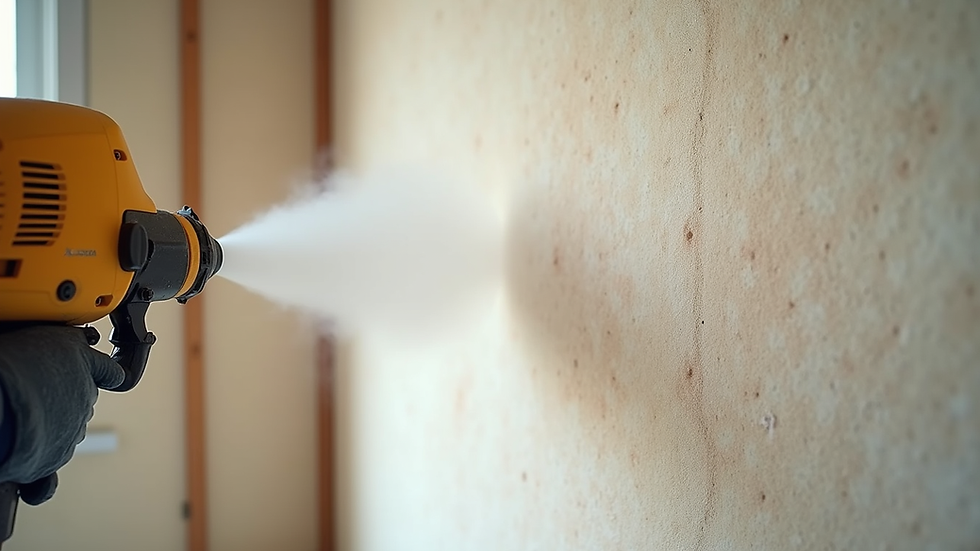
Spray foam insulation: Provides excellent air sealing and higher R-values, ideal for irregular spaces
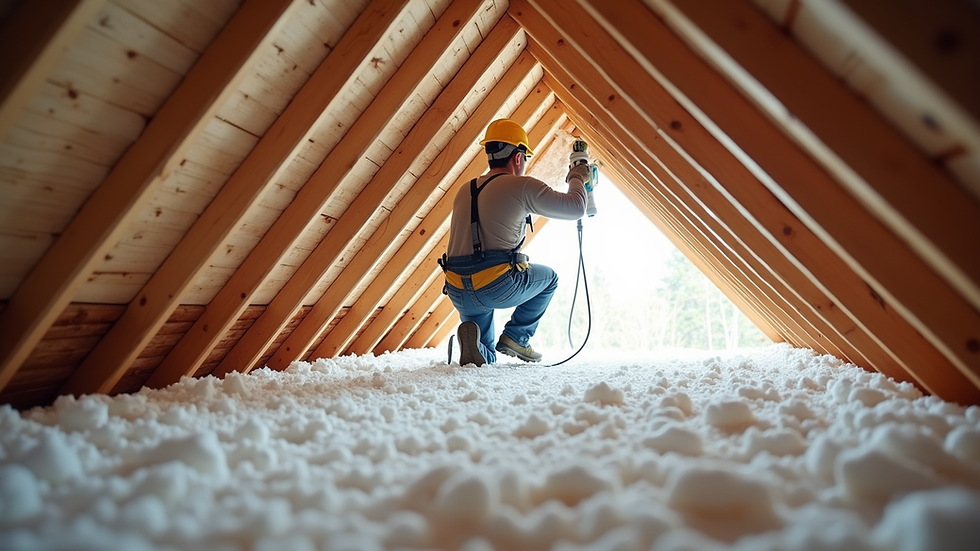
Blown-in cellulose: Made from recycled paper, good for filling existing walls during insulation replacement
Each option has pros and cons depending on your home’s construction and budget. Consulting a local insulation professional can help you select the best material for your needs.
Cost Savings from an Insulation Upgrade
The upfront cost of adding insulation to your walls varies based on the size of your home and the insulation type. On average, homeowners in Texas spend between $1,500 and $3,000 for a full wall insulation upgrade.
Despite this initial investment, the long-term savings can be substantial. For example, if your energy bills currently average $200 per month, a 20% reduction could save you about $40 monthly or nearly $500 annually. Over 10 years, that adds up to $5,000 in savings, which often exceeds the cost of the insulation upgrade.
Additionally, some utility companies and government programs offer rebates or incentives for energy-efficient home improvements, including insulation upgrades. Checking for these opportunities can reduce your out-of-pocket expenses.
Practical Tips for Victoria Homeowners
Schedule a professional energy audit to identify areas where insulation is lacking or damaged.
Consider insulation removal and replacement if your home has old or ineffective insulation.
Look for insulation materials with high R-values suitable for Victoria’s climate to maximize energy savings.
Combine insulation upgrades with sealing air leaks around windows, doors, and outlets for better results.
Plan insulation work during mild weather months to avoid discomfort during installation.
Adding insulation to your walls is a practical step that improves comfort, lowers energy costs, and increases your home’s value. For Victoria homeowners, it’s a smart way to protect your investment and enjoy a more comfortable living environment. To get more information, visit HomeandOfficeInsulation.com or give us a call at 512 507 5247

Comments