
Signs Your Insulation Needs Removal in Austin
- upwardhomepartners
- Mar 16
- 3 min read
Updated: Mar 17
Insulation plays a crucial role in keeping your home comfortable and energy-efficient. But over time, insulation can lose its effectiveness or become a health hazard. In Austin’s climate, where humidity and pests are common, knowing when to remove old insulation is essential. Ignoring signs like mold growth, pest infestations, or simply old, degraded insulation can lead to higher energy bills, poor indoor air quality, and even structural damage. This post will guide you through the most common signs that your insulation needs removal and replacement.

Mold Growth on Insulation
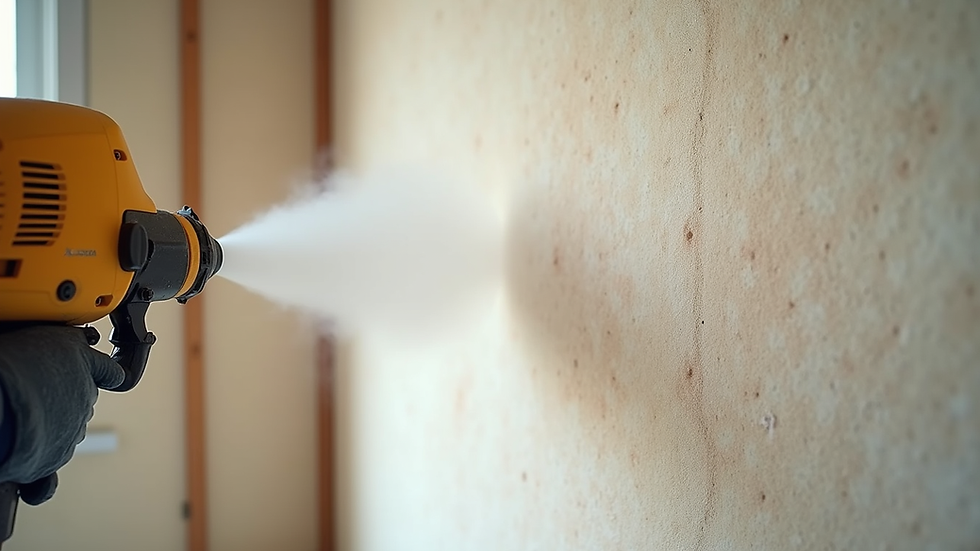
Mold is one of the most obvious and dangerous signs that insulation needs to be removed. Austin’s humid environment can cause moisture to build up in attics, walls, or crawl spaces, creating the perfect conditions for mold to thrive.
How mold affects insulation: Mold breaks down insulation materials, reducing their ability to trap heat or cold. It also releases spores that can affect indoor air quality and cause health problems such as allergies, asthma, and respiratory issues.
Where to check for mold: Look inside your attic, around vents, and in wall cavities if accessible. Mold often appears as black, green, or white fuzzy patches.
What to do: If you spot mold on insulation, removal is necessary. Moldy insulation cannot be cleaned effectively and poses ongoing health risks.
Ignoring mold can lead to costly repairs beyond insulation replacement, including structural damage and mold remediation in other parts of your home.
Signs of Pest Infestation
Pests like rodents, insects, and birds often find insulation a cozy place to nest. In Austin, common culprits include rats, mice, termites, and carpenter ants.
Damage caused by pests: Pests can tear insulation apart, leaving gaps that reduce its effectiveness. Rodents may also leave droppings and urine, which can cause unpleasant odors and health hazards.
How to spot pest damage: Look for shredded insulation, droppings, nests, or gnaw marks. You might also hear scratching noises in walls or attics.
Why removal is necessary: Insulation contaminated by pests should be removed to eliminate health risks and prevent further infestation. Simply patching damaged areas won’t solve the problem.
After removal, pest control measures should be taken to prevent re-infestation before installing new insulation.
Age and Deterioration of Insulation
Even without mold or pests, insulation loses its effectiveness over time. Most insulation materials have a lifespan of 15 to 30 years depending on type and conditions.
How age affects insulation: Over time, insulation can settle, compress, or degrade, reducing its ability to insulate properly. This leads to drafts, uneven temperatures, and higher energy bills.
Signs of old insulation: If your home is older or you notice increased heating and cooling costs, it may be time to inspect your insulation. Look for signs like crumbling, discoloration, or compressed material.
When to replace: If your insulation is more than 20 years old or shows visible signs of wear, removal and replacement can improve comfort and energy efficiency.
Upgrading old insulation with modern materials can also provide better thermal performance and environmental benefits.
Additional Indicators That Insulation Needs Removal
Besides mold, pests, and age, other signs can indicate insulation problems:
Water damage: Leaks from roofs or pipes can soak insulation, causing it to lose effectiveness and encouraging mold growth.
Unpleasant odors: Musty or ammonia-like smells in attics or walls often point to contaminated insulation.
Increased energy bills: A sudden rise in heating or cooling costs can mean your insulation is no longer working well.
Visible gaps or missing insulation: Check for areas where insulation has fallen away or been removed.
If you notice any of these signs, a professional inspection can help determine if removal is necessary.
How to Safely Remove Insulation in Austin
Removing insulation is not a simple DIY task, especially if mold or pests are involved. Here are some tips for safe removal:
Wear protective gear: Use gloves, masks, and eye protection to avoid exposure to dust, mold spores, or pest droppings.
Seal off the area: Prevent dust and contaminants from spreading to other parts of the home.
Dispose of insulation properly: Follow local regulations for hazardous waste disposal.
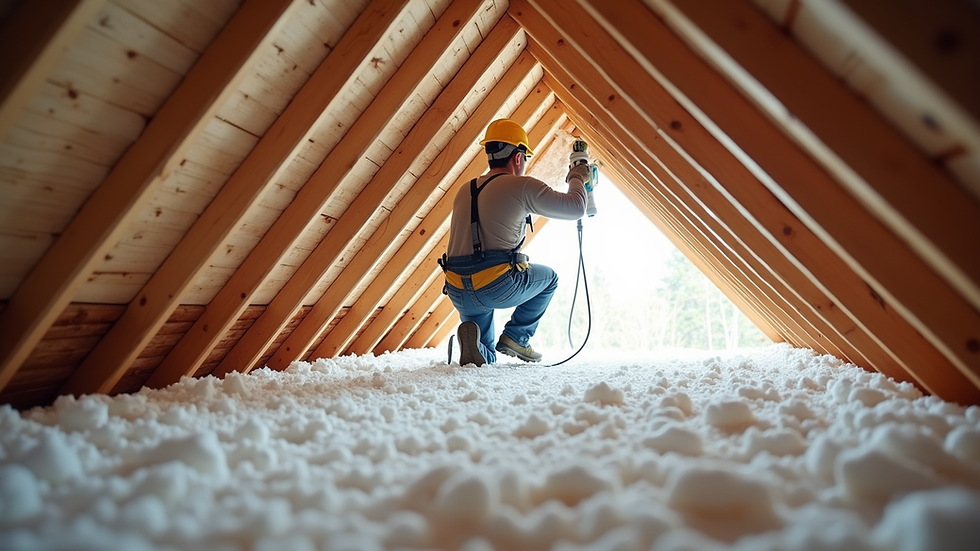
Hire professionals: Insulation removal companies in Austin have the experience and equipment to handle mold, pests, and old materials safely.
Professional removal also ensures your home is ready for new insulation installation without lingering health risks. We can help at homeandofficeinsulation.com!
Benefits of Removing and Replacing Old Insulation
Investing in insulation removal and replacement offers several advantages:
Improved energy efficiency: New insulation reduces heat loss or gain, lowering utility bills.
Better indoor air quality: Removing moldy or pest-infested insulation reduces allergens and contaminants.
Increased comfort: Proper insulation keeps your home warmer in winter and cooler in summer.
Protects your home’s structure: Prevents moisture buildup and pest damage that can weaken walls and roofs.
In Austin’s climate, upgrading insulation can also help manage humidity and reduce strain on HVAC systems.

Comments