
Insulation Benefits: Optimizing Insulation for Austin Properties
- upwardhomepartners
- Feb 17
- 4 min read
Updated: Mar 20
Insulation. It’s the silent hero of every building. The unsung champion that keeps homes and offices comfortable, energy bills low, and the environment happier. But in Austin? It’s a whole different ball game. The heat. The humidity. The unpredictable weather swings. You need insulation that works hard and smart.
Let’s dive deep. Let’s talk about how to optimize insulation for Austin properties. No fluff. No jargon. Just straight-up facts and tips you can use today.
Austin Insulation Benefits: Why It Matters More Than Ever
Austin's climate is brutal. Hot summers. Sticky humidity. Sudden cold snaps. Without proper insulation, your property is a money pit. Energy leaks. Skyrocketing bills. Uncomfortable spaces.
Here’s the deal:
Energy Efficiency: Good insulation keeps the cool air in during summer and the warm air in during winter. That means your AC and heating systems don’t have to work overtime. Less energy wasted. More money saved.
Comfort: No more hot spots or cold drafts. Insulation creates a consistent indoor climate. You walk into your home or office and feel just right.
Noise Reduction: Austin is busy. Traffic, construction, neighbors. Insulation acts as a sound barrier. Peace and quiet? Yes, please.
Moisture Control: Humidity is an Austin staple. Proper insulation helps prevent mold and mildew by controlling moisture levels inside your walls.
Environmental Impact: Using the right insulation reduces your carbon footprint. Less energy use means less pollution.
Optimizing insulation isn’t just smart. It’s essential.

Choosing the Right Insulation for Austin Properties
Not all insulation is created equal. Austin's climate demands specific types that can handle heat, humidity, and occasional cold. Here’s what you need to know:
Types of Insulation That Work Best
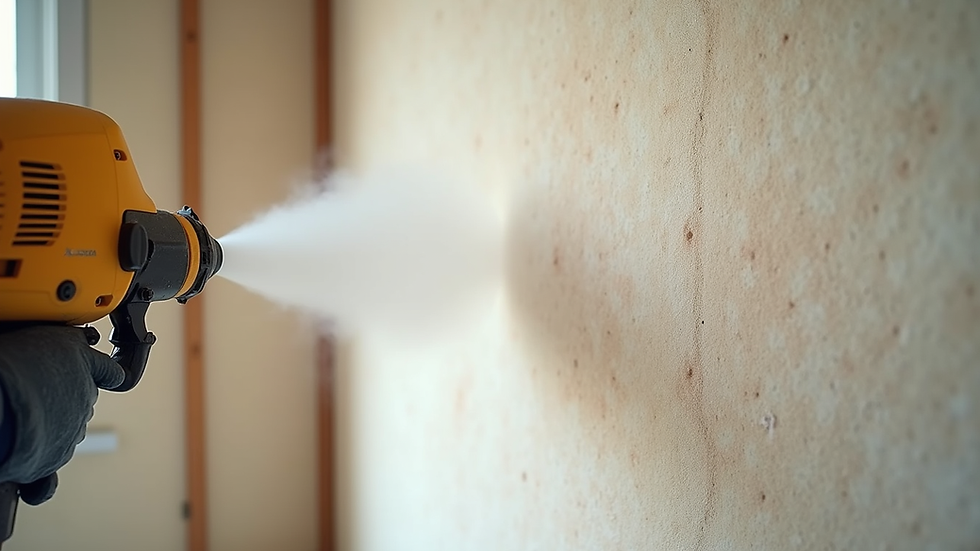
Spray Foam Insulation
Seals gaps and cracks.
Provides excellent air barrier.
High R-value per inch (measures insulation effectiveness).
Fiberglass Batt Insulation
1. Great for irregular spaces.
2. Cost-effective.
3. Easy to install.
4. Works well in walls and ceilings.
Blown-In Cellulose Insulation
1. Needs a vapor barrier in humid climates.
2. Made from recycled paper.
3. Good for filling cavities and attics.
4. Eco-friendly option.
Rigid Foam Board Insulation
1. High insulating value.
2. Moisture resistant.
3. Ideal for basements and exterior walls.
What to Consider
R-Value: Austin homes typically need insulation with an R-value between 13 and 30, depending on the area of the home.
Moisture Resistance: Choose materials that resist mold and mildew.
Air Sealing: Insulation that also seals air leaks is a double win.
Installation Quality: Even the best insulation fails if installed poorly.
Pro Tip:
Combine insulation types for maximum effect. For example, spray foam in hard-to-reach areas and fiberglass in open spaces.
Why Are People Removing Spray Foam Insulation?
Spray foam insulation has been popular in Austin for years. But lately, some property owners are pulling it out. Why?
Improper Installation: If not done right, spray foam can shrink, crack, or pull away from surfaces. This creates gaps and reduces effectiveness.
Off-Gassing Concerns: Some homeowners worry about chemical odors or health effects, especially if the foam wasn’t fully cured.
Cost: Spray foam is pricier upfront. Some switch to cheaper options after initial installation.
Damage During Renovations: Spray foam can be tough to remove, but sometimes it needs to go for remodeling or repairs.
Moisture Traps: If installed without proper vapor barriers, spray foam can trap moisture, leading to mold.
Removing spray foam isn’t always necessary. Often, fixing installation issues or adding complementary insulation solves the problem.
How to Optimize Insulation for Austin Homes and Offices
Optimization means more than just slapping insulation on walls. It’s a strategic approach. Here’s how to do it right:
1. Conduct a Professional Energy Audit
Find out where your property is losing energy. Identify leaks, weak spots, and moisture problems.
2. Seal Air Leaks First
Windows, doors, vents, and electrical outlets are common culprits. Use caulk, weatherstripping, or foam sealants.
3. Choose the Right Insulation Type for Each Area
Attics, walls, basements, and crawl spaces all have different needs.
4. Pay Attention to Ventilation
Proper ventilation prevents moisture buildup and keeps insulation dry.
5. Upgrade Windows and Doors
Energy-efficient windows and doors complement insulation efforts.
6. Maintain Your Insulation
Check for damage, pests, or moisture regularly.
7. Work with Trusted Professionals
Insulation is an investment. Get it done right the first time.
If you want to explore options, check out home & office insulation for expert advice and services tailored to Texas properties.

The Financial Upside: Saving Money with Smart Insulation
Let’s talk dollars. Insulation isn’t just about comfort. It’s about cash in your pocket.
Lower Energy Bills: Proper insulation can cut heating and cooling costs by up to 30%.
Increased Property Value: Energy-efficient homes and offices sell faster and at higher prices.
Tax Incentives and Rebates: Texas offers programs that reward energy-saving upgrades.
Reduced Maintenance Costs: Less moisture and temperature swings mean fewer repairs.
Think of insulation as a long-term investment. The upfront cost pays off in savings year after year.
Final Thoughts on Austin Insulation Benefits
Austins climate demands respect. You can’t just install any insulation and call it a day. You need smart choices. Quality materials. Expert installation. Regular maintenance.
Optimizing insulation means:
Saving money
Staying comfortable
Protecting your property
Helping the environment
Don’t settle for less. Make your property a fortress against Austin's heat and humidity. Start today. Your wallet and your comfort will thank you.


Comments