
Exploring Types of Attic Insulation Materials
- upwardhomepartners
- Apr 7
- 4 min read
When it comes to keeping your home comfortable and energy-efficient, attic insulation plays a starring role. If you’ve ever felt like your energy bills are auditioning for a horror movie, or your home’s temperature swings more than a Texas rodeo, it might be time to take a closer look at your attic insulation. But with so many options out there, how do you know which one fits your needs? Let’s dive into the world of attic insulation materials and break down the essentials in a way that’s easy to understand and maybe even a little fun.
Understanding Attic Insulation Materials
Attic insulation is like the unsung hero of your home’s energy system. It keeps the heat where you want it - inside during winter and outside during summer. But not all insulation materials are created equal. Some are better at blocking heat, others are easier to install, and some are just downright eco-friendly.
Here’s a quick overview of the most common attic insulation materials you’ll encounter:
Fiberglass Batts and Rolls: These are the classic pink or yellow rolls you often see in home improvement stores. They’re affordable, easy to install, and work well in standard joist spacing.
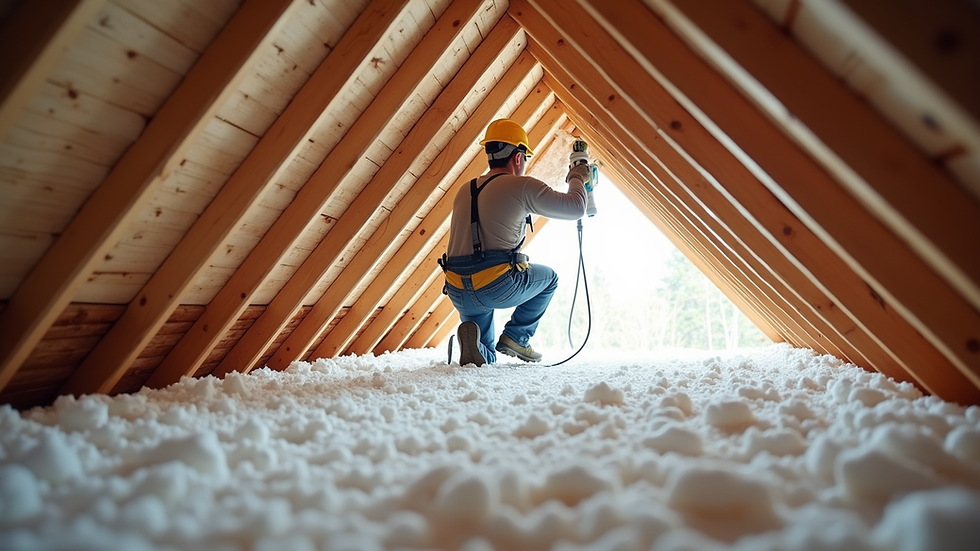
Blown-In Cellulose: Made from recycled paper treated for fire resistance, this loose-fill insulation is great for filling irregular spaces and gaps.
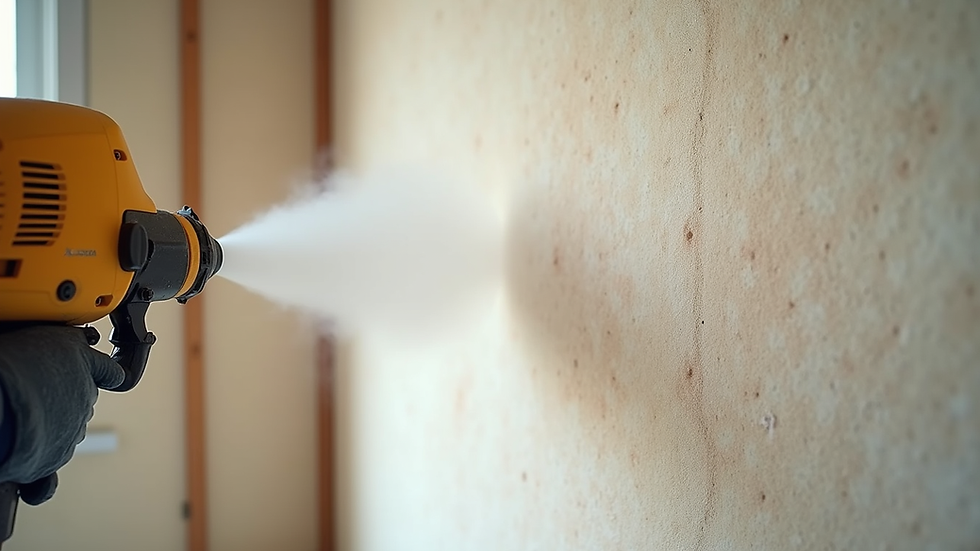
Spray Foam Insulation: This one expands on contact, sealing cracks and gaps while providing excellent thermal resistance.
Mineral Wool (Rock Wool): Made from natural rock or slag, it’s fire-resistant and offers good soundproofing.
Reflective or Radiant Barriers: These materials reflect radiant heat away from your attic, which is especially useful in hot climates.
Each type has its own set of pros and cons, and the best choice depends on your specific attic setup, budget, and climate.

The Ins and Outs of Attic Insulation Materials
Let’s get a bit more practical. Here’s what you need to know about each material to make an informed decision:
Fiberglass Batts and Rolls
Fiberglass is the most common insulation material in the US. It’s made from fine glass fibers and is usually pink or yellow. It’s affordable and DIY-friendly, but it can be itchy to handle (think tiny glass needles). It’s best for attics with standard joist spacing and minimal obstructions.
Pros:
Cost-effective
Easy to install
Widely available
Cons:
Can leave gaps if not installed carefully
Loses effectiveness if compressed or wet
Can irritate skin and lungs during installation
Blown-In Cellulose
Cellulose is made from recycled paper treated with fire retardants. It’s blown into the attic using special equipment, making it perfect for filling odd spaces and gaps.
Pros:
Eco-friendly
Good coverage in irregular spaces
Better air sealing than fiberglass
Cons:
Can settle over time, reducing effectiveness
Needs professional installation
Can absorb moisture if attic leaks
Spray Foam Insulation
Spray foam is a two-part liquid that expands and hardens on contact. It seals cracks and gaps, providing both insulation and air sealing.
Pros:
Excellent air barrier
High R-value per inch
Adds structural strength
Cons:
More expensive
Requires professional installation
Can off-gas chemicals during curing
Mineral Wool (Rock Wool)
Made from natural rock or industrial slag, mineral wool is fire-resistant and offers good soundproofing.
Pros:
Fire-resistant
Water-resistant
Good sound insulation
Cons:
More expensive than fiberglass
Heavier and harder to cut
Not as widely available
Reflective or Radiant Barriers
These are usually foil-faced materials installed under the roof to reflect radiant heat away from the attic.
Pros:
Effective in hot climates
Thin and lightweight
Can be combined with other insulation types
Cons:
Not effective in cold climates
Requires an air gap to work properly
Installation can be tricky

What type of attic insulation is best?
Now, the million-dollar question: what type of attic insulation is best? The answer depends on several factors:
Climate: In Texas, where summers can be scorching, materials that block radiant heat like reflective barriers or spray foam can be very effective.
Attic Condition: If your attic has lots of nooks and crannies, blown-in cellulose or spray foam might be better at filling gaps.
Budget: Fiberglass batts are budget-friendly, but spray foam offers better performance at a higher cost.
Installation: DIY or professional? Fiberglass and some cellulose can be DIY projects, but spray foam usually requires pros.
Environmental Concerns: Cellulose is the greenest option, made from recycled materials.
For many Texas homes, a combination of materials often works best. For example, a radiant barrier paired with blown-in cellulose can keep your attic cooler and your energy bills lower.
How to Choose and Maintain Your Attic Insulation
Choosing the right insulation is just the first step. Proper installation and maintenance are key to getting the most bang for your buck.
Tips for Choosing:
Assess Your Current Insulation: Check the depth and condition of your existing insulation.
Calculate R-Value Needs: The R-value measures insulation’s resistance to heat flow. Texas homes typically need R-30 to R-60 in the attic.
Consider Air Sealing: Insulation works best when combined with proper air sealing.
Think Long-Term: Sometimes spending a bit more upfront saves money in the long run.
Maintenance Tips:
Inspect Annually: Look for signs of moisture, pests, or damage.
Seal Air Leaks: Use caulk or foam to seal gaps around vents, chimneys, and wiring.
Avoid Compression: Don’t store heavy items on insulation; it reduces effectiveness.
Ventilate Properly: Good attic ventilation prevents moisture buildup.
Wrapping It Up: Making Your Attic Work for You
Choosing the right attic insulation material can feel like navigating a maze, but it doesn’t have to be complicated. By understanding the strengths and weaknesses of each option, you can make a smart choice that keeps your home comfortable year-round and your energy bills in check.
If you want to explore more about the types of attic insulation materials, there’s plenty of detailed info out there. Remember, the best insulation is the one that fits your home’s unique needs and your budget.
So, whether you’re tackling a DIY project or calling in the pros, investing in good attic insulation is a decision your wallet and your comfort will thank you for. Now, go forth and insulate like a champ!

Comments