
Best Insulation for Texas Homes: Your Ultimate Guide to Staying Cool and Cozy
- upwardhomepartners
- Apr 9
- 5 min read
Living in Texas means dealing with some serious heat in the summer and, occasionally, a chill in the winter. If you’ve ever felt like your energy bills are auditioning for a horror movie, it might be time to rethink your home’s insulation. I’m here to walk you through the best insulation for Texas homes, so you can keep your place comfortable year-round without breaking the bank. If you want more information, visit us at homeandofficeinsulation.com or give us a call at 512 507 5247!
Why Choosing the Best Insulation for Texas Matters
Texas is a land of extremes. One day you’re sweating through a heatwave, and the next, you’re bundling up because the temperature dropped faster than a cowboy’s hat in a rodeo. This means your insulation needs to be versatile, durable, and efficient.
Good insulation helps:
Keep your home cool in the summer and warm in the winter
Reduce energy bills by minimizing heating and cooling loss
Improve indoor air quality by reducing moisture and allergens
Increase your home’s overall value and comfort
Since Texas homes often face high humidity and intense sun exposure, the insulation you pick should be able to handle these challenges without turning into a soggy mess or a heat trap.
What Are the Best Insulation Options for Texas?
Now, let’s get to the juicy part. What insulation types actually work best in Texas? Here’s a breakdown of the top contenders, with pros and cons to help you decide.
1. Spray Foam Insulation
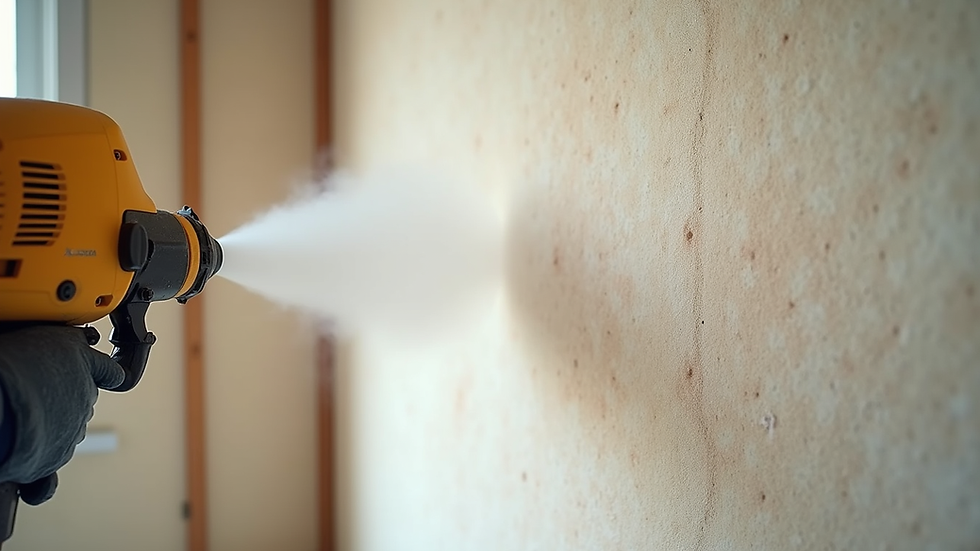
Spray foam is like the superhero of insulation. It expands on contact, filling every nook and cranny, creating an airtight seal. This is especially useful in Texas where sealing out hot air and humidity is crucial.
Pros: Excellent air barrier, high R-value per inch, moisture resistant, adds structural strength
Cons: Higher upfront cost, requires professional installation, can be tricky to remove or modify
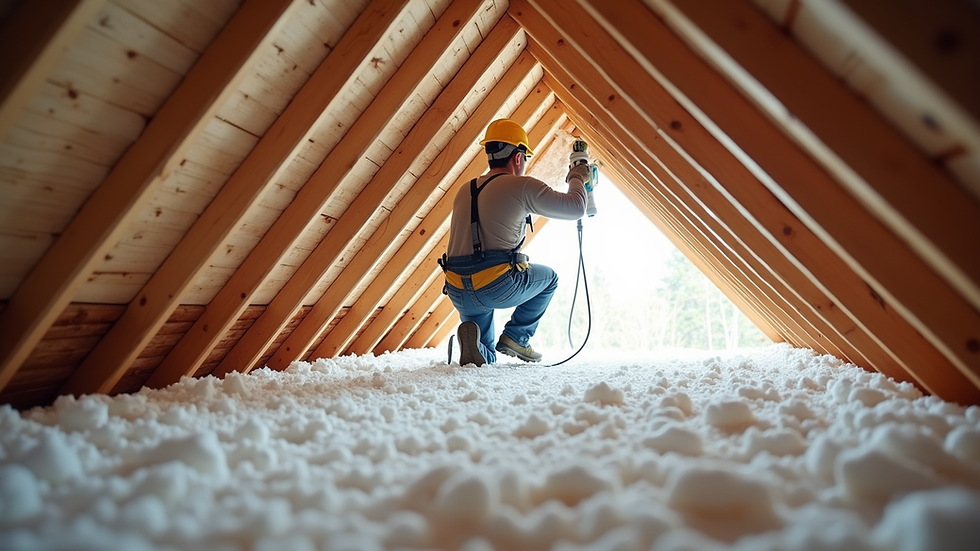
Spray foam is perfect for attics, walls, and crawl spaces where you want to stop air leaks dead in their tracks.
2. Fiberglass Batt Insulation
Fiberglass batts are the classic choice. They’re affordable, easy to install, and widely available. However, they don’t perform as well if they get wet or compressed.
Pros: Cost-effective, DIY-friendly, fire-resistant
Cons: Can lose effectiveness if compressed or wet, less air sealing ability, may irritate skin during installation
If you’re on a budget and your home doesn’t have moisture issues, fiberglass batts can still do a decent job.
3. Cellulose Insulation
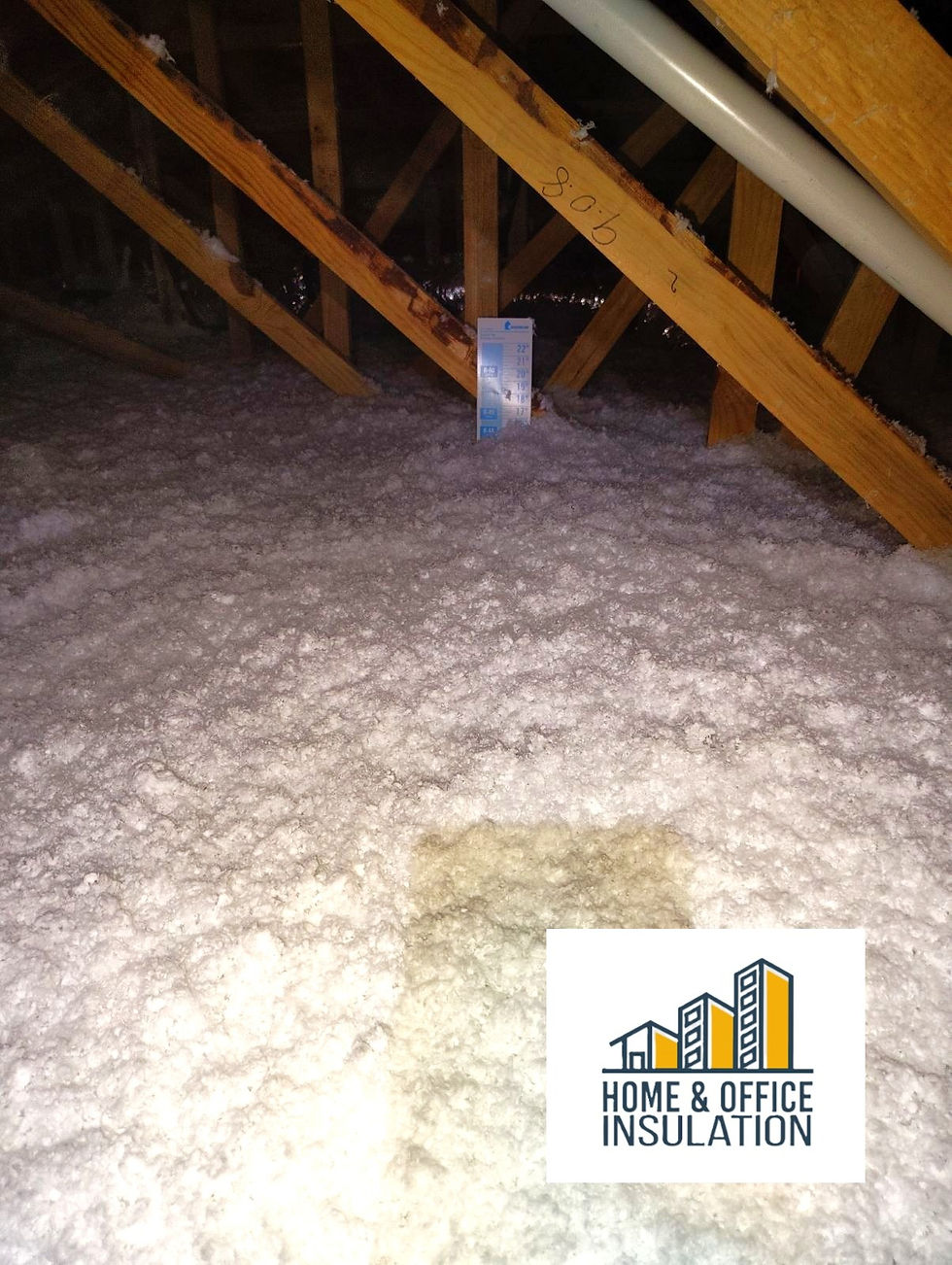
Made from recycled paper treated with fire retardants, cellulose is an eco-friendly option that’s blown into walls and attics.
Pros: Good thermal performance, environmentally friendly, fills gaps well
Cons: Can settle over time, may absorb moisture if not properly installed, requires professional installation
Cellulose is a solid middle ground if you want something green but effective.
4. Radiant Barrier
Radiant barriers are reflective materials installed in attics to reflect heat away from your living space. They don’t provide traditional insulation but work well in hot climates like Texas.
Pros: Reduces heat gain, easy to install, complements other insulation types
Cons: Less effective in winter, needs an air gap to work properly, not a standalone solution
Think of radiant barriers as your home’s sunscreen, blocking the sun’s rays before they turn your attic into a sauna.
5. Rigid Foam Board Insulation
Rigid foam boards are panels that provide high insulation value and moisture resistance. They’re great for basements, exterior walls, and roofs.
Pros: High R-value, moisture resistant, adds structural support
Cons: Can be expensive, requires precise cutting and fitting, may need additional air sealing
Rigid foam is a great choice if you want durable, long-lasting insulation that handles moisture well.
How Much Would It Cost to Insulate a 2000 Sq Ft House?
Budgeting is always a hot topic when it comes to home improvements. So, how much should you expect to spend insulating a typical 2000 square foot Texas home?
Here’s a rough estimate based on insulation type:
| Insulation Type | Estimated Cost Range | Notes |
|---------------------|------------------------------|-----------------------------------|
| Spray Foam | $3,000 - $7,000 | Higher upfront, long-term savings |
| Fiberglass Batts | $1,000 - $2,500 | Cheapest option, DIY possible |
| Cellulose | $1,500 - $3,000 | Mid-range, eco-friendly |
| Radiant Barrier | $500 - $1,500 | Supplemental, not standalone |
| Rigid Foam Board | $2,000 - $5,000 | Durable, moisture resistant |
Keep in mind, these prices can vary based on your home’s condition, local labor rates, and how much prep work is needed. Also, investing in quality insulation can pay off by slashing your energy bills and boosting comfort.

Tips for Choosing and Installing Insulation in Texas
Choosing the right insulation is only half the battle. Proper installation is key to getting the most bang for your buck. Here are some practical tips:
Seal air leaks first: Insulation works best when your home is sealed tight. Check windows, doors, and vents for leaks.
Consider moisture control: Texas humidity can cause mold and rot. Use vapor barriers and moisture-resistant insulation where needed.
Don’t skimp on R-value: The R-value measures insulation’s resistance to heat flow. For Texas, aim for R-30 or higher in attics and R-13 to R-21 in walls.
Hire professionals for complex jobs: Spray foam and cellulose require special equipment and expertise.
Combine insulation types: Sometimes, layering radiant barriers with spray foam or fiberglass can give you the best results.
Why Investing in Quality Insulation Pays Off
I get it - insulation isn’t the most glamorous home upgrade. But think of it like a good pair of boots for a Texas rancher - it might not be flashy, but it sure makes life easier and more comfortable.
Good insulation:
Cuts down on energy bills by up to 30%
Keeps your home quieter by blocking outside noise
Protects your home’s structure from moisture damage
Makes your living space more comfortable year-round
If you want to learn more about the best insulation for Texas homes, there are plenty of resources and experts ready to help you make the right choice.
Ready to Upgrade Your Home’s Insulation?
If you’re tired of sweating through summer or shivering in winter, it’s time to take action. Whether you choose spray foam, fiberglass, or a radiant barrier, the right insulation can transform your home into a comfortable, energy-efficient haven.
Remember, the key is to pick insulation that suits Texas’s unique climate and your home’s specific needs. And don’t forget - proper installation is just as important as the material you choose.
So, roll up your sleeves (or call in the pros), and get ready to enjoy a cooler, cozier home that won’t have you reaching for the AC thermostat every five minutes. Your wallet and your comfort will thank you! If you want more information, visit us at homeandofficeinsulation.com or give us a call at 512 507 5247!

Comments