
Insulating Walls Without Removing Drywall: A Homeowner's Guide
- Home & Office Insulation
- Mar 27
- 4 min read

Updated: Apr 7
Why Add Insulation Without Removing Drywall?
Removing drywall to add insulation means tearing into your walls, which can be expensive, time-consuming, and disruptive. It often requires repainting, repairing, and sometimes replacing electrical outlets or fixtures. For many homeowners, this is a major deterrent to upgrading insulation.
Blown-in insulation without removing drywall offers a solution that minimizes disruption. It allows you to improve your home's thermal performance while keeping your walls intact. This method is especially useful for:
Older homes with plaster or fragile drywall
Finished rooms where you want to avoid dust and debris
Renters or homeowners with limited renovation budgets
Areas where wall removal is impractical or impossible
How Blown-In Wall Insulation Works in Existing Walls
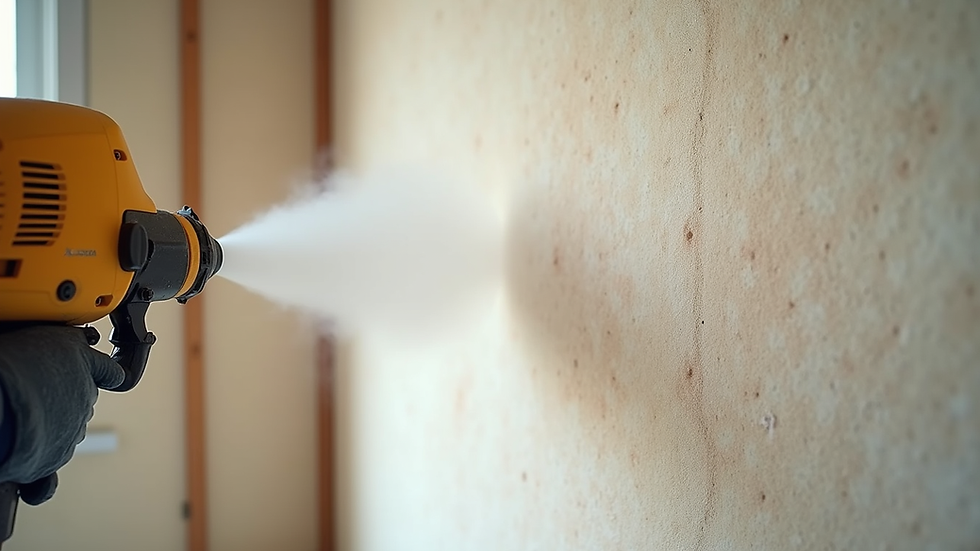
Blown-in insulation involves injecting loose-fill insulation material into wall cavities through small holes drilled in the drywall or trim. Common materials include cellulose, fiberglass, or mineral wool. These materials fill gaps and voids, creating a continuous layer of insulation.
The process typically follows these steps:
Assessment: A professional inspects your walls to determine cavity type, existing insulation, and potential obstacles like wiring or plumbing.
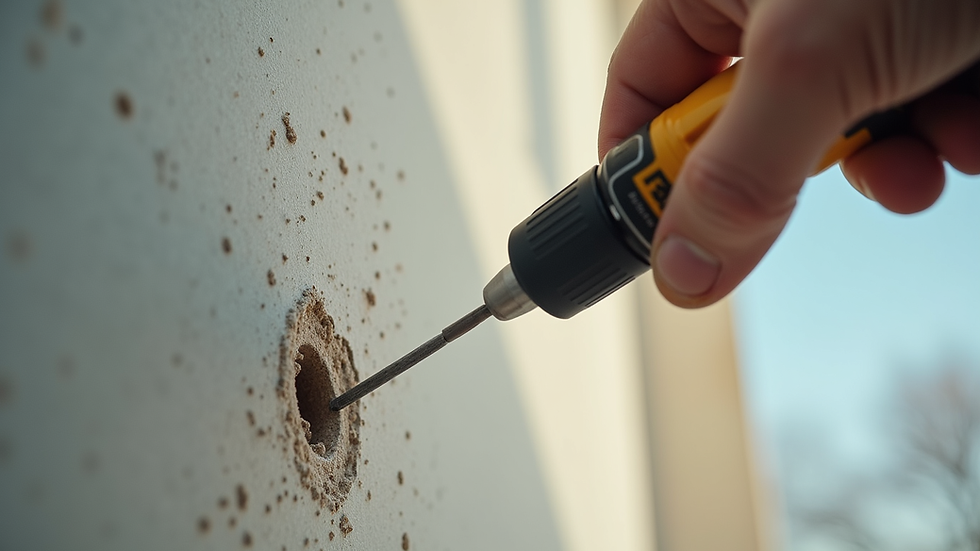
Drilling small holes: Holes about 1 to 2 inches wide are drilled in the drywall, usually behind baseboards or inside closets to hide them.
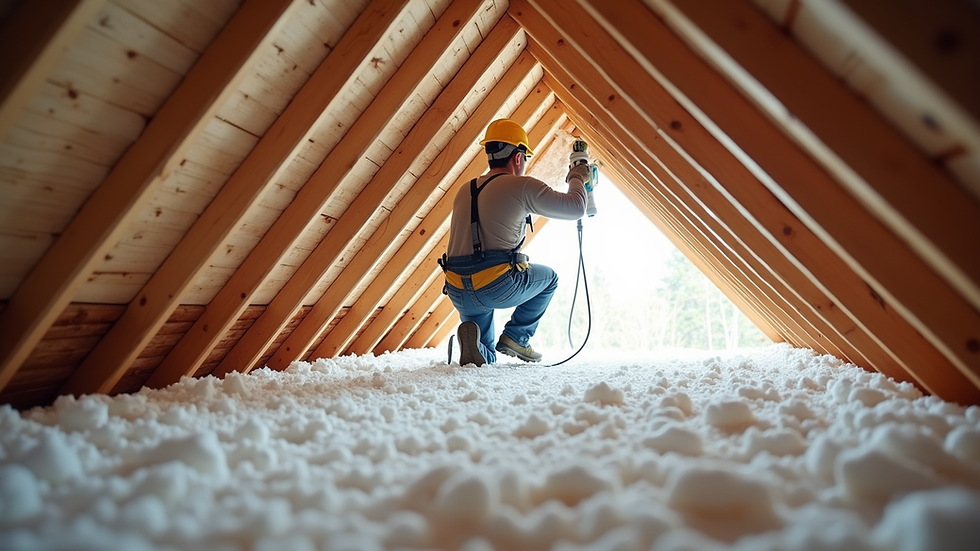
Blowing insulation: Using specialized equipment, insulation is blown into the wall cavity, filling it evenly.
Sealing holes: After filling, holes are patched and painted to match the wall.
This method allows you to retrofit wall insulation without demolition, preserving your interior finishes.
Benefits of Blown-In Wall Insulation for Existing Walls
Choosing blown-in insulation for existing walls without drywall removal offers several advantages:
Minimal disruption: No need to remove drywall or make major repairs afterward.
Cost-effective: Lower labor and material costs compared to full wall removal and replacement.
Improved energy efficiency: Fills gaps and voids better than batt insulation, reducing drafts and heat loss.
Soundproofing: Dense blown-in materials can reduce noise transmission between rooms.
Quick installation: Most jobs can be completed in a day or two.
These benefits make blown-in insulation a popular choice for homeowners looking to upgrade insulation without a full remodel.
Other Methods to Insulate Walls Without Removing Drywall
While blown-in insulation is the most common, there are other options to insulate walls without drywall removal:
Injection foam insulation: Similar to blown-in, but uses expanding spray foam injected into wall cavities. It seals air leaks and adds insulation but can be more expensive.
Interior insulation panels: Thin rigid foam panels can be installed over existing drywall, then covered with new drywall or paneling. This adds insulation but reduces room size slightly.
Thermal paint or coatings: These products claim to add insulation by reflecting heat. They offer minimal insulation value and are best as a supplement, not a replacement.
Each method has pros and cons depending on your budget, wall construction, and insulation goals.
What to Expect When Adding Insulation Without Removing Drywall
If you decide to retrofit wall insulation without demolition, here are some practical tips:
Hire a professional: Proper installation requires experience to avoid gaps, moisture issues, or damage.
Prepare your home: Move furniture and cover floors to protect from dust.
Plan for patching: Small holes will need to be filled and painted, so budget for minor cosmetic repairs.
Check for moisture problems: Insulating walls without addressing leaks or dampness can cause mold.
Consider insulation value: Blown-in insulation typically adds R-values between 3 and 4 per inch, improving comfort and energy savings.
When Removing Drywall Might Still Be Necessary
While many walls can be insulated without drywall removal, some situations require full access:
Walls with no cavity or very shallow cavities
Walls with extensive damage, mold, or rot
Walls with complex wiring or plumbing that needs updating
When upgrading to spray foam insulation that requires open walls
In these cases, the benefits of removing drywall may outweigh the inconvenience.
Final Thoughts on Adding Insulation Without Removing Drywall
We can walk you through this whole process at www.HomeandOfficeInsulation.com! Adding insulation to your walls without tearing down drywall is a practical and effective way to improve your home's energy efficiency. Blown-in wall insulation existing walls offers a proven method to upgrade insulation with minimal disruption. It saves time, money, and hassle while delivering real comfort benefits.
Additional Considerations for Homeowners
Understanding Insulation Types
When considering insulation, it's essential to understand the different types available. Each type has its benefits and drawbacks. For instance, cellulose is made from recycled paper and is eco-friendly. Fiberglass is non-combustible and resistant to moisture. Mineral wool is excellent for soundproofing and fire resistance. Knowing these differences can help you make an informed decision.
The Importance of R-Value
R-value measures insulation's effectiveness. The higher the R-value, the better the insulation's ability to resist heat flow. In Texas, where temperatures can soar, having insulation with a high R-value is crucial for maintaining a comfortable indoor environment.
The Cost of Insulation
Cost is always a factor. While blown-in insulation may seem more expensive upfront, the long-term savings on energy bills can make it a wise investment. Always get multiple quotes and consider the overall value rather than just the initial cost.
DIY vs. Professional Installation
While some homeowners may consider DIY insulation, hiring a professional can save time and ensure proper installation. Mistakes can lead to air leaks and reduced efficiency, negating any savings.
Maintenance and Upkeep
Once your insulation is installed, it's essential to monitor its condition. Look for signs of moisture or damage, as these can affect performance. Regular checks can help maintain your home's energy efficiency.
In conclusion, adding insulation without removing drywall is a smart choice for many homeowners. With various methods available, you can enhance your home's comfort and efficiency without the hassle of major renovations.

Comments