
Maximizing Savings with Insulation Tax Credit Benefits
- upwardhomepartners
- Jan 28
- 4 min read
Updated: Mar 20
Saving money. Saving energy. Saving the planet. It all starts with insulation. But here’s the kicker - you don’t have to pay full price. Tax credits can slash your costs. Big time. I’m talking about insulation tax credit benefits that can put serious cash back in your pocket. Ready to learn how to maximize those savings? Let’s dive in.
Why Insulation Tax Credit Benefits Matter
Insulation isn’t just about comfort. It’s about cutting energy bills. It’s about boosting home value. It’s about doing your part for the environment. And when you add tax credits to the mix, it becomes a no-brainer.
Here’s why these benefits matter:
Lower upfront costs: Insulation upgrades can be pricey. Tax credits reduce what you owe.
Long-term savings: Better insulation means less energy wasted. Your bills drop month after month.
Increased home value: Energy-efficient homes sell faster and for more.
Environmental impact: Less energy use means fewer emissions. You help fight climate change.
If you’re thinking about upgrading your home or office insulation, these benefits make the decision easier. Don’t miss out on the chance to save both money and energy.

How to Maximize Your Insulation Tax Credit Benefits
Maximizing savings means knowing the rules and playing smart. Here’s how to get the most from your insulation tax credits:
Check eligibility: Not all insulation types qualify. Look for approved materials like fiberglass, cellulose, or spray foam.
Keep receipts and documentation: You’ll need proof of purchase and installation.
Hire certified professionals: Some credits require professional installation.
Combine with other incentives: Look for local rebates or utility company offers.
Plan your project timing: Tax credits often apply to expenses within a specific year.
By following these steps, you ensure you don’t leave money on the table. Every dollar counts when upgrading your insulation.
Can you get a tax credit for insulation?
Yes. You can. The government offers tax credits to encourage energy efficiency. Insulation is a big part of that. But it’s not automatic. You have to meet certain criteria.
Here’s what you need to know:
The insulation must meet specific R-value standards.
It must be installed in your primary residence.
The credit usually covers a percentage of the cost, up to a limit.
Some credits apply only to new construction, others to retrofits.
For example, if you spend $2,000 on qualifying insulation, and the credit is 10%, you get $200 back on your taxes. That’s free money. But you have to claim it properly.
Pro tip: Consult a tax professional or use IRS resources to make sure you file correctly. Don’t miss out because of paperwork.
Choosing the Right Insulation for Maximum Savings
Not all insulation is created equal. The type you choose affects your comfort, energy bills, and tax credit eligibility. Here’s a quick guide:
Fiberglass batts: Affordable, easy to install, widely accepted for credits.
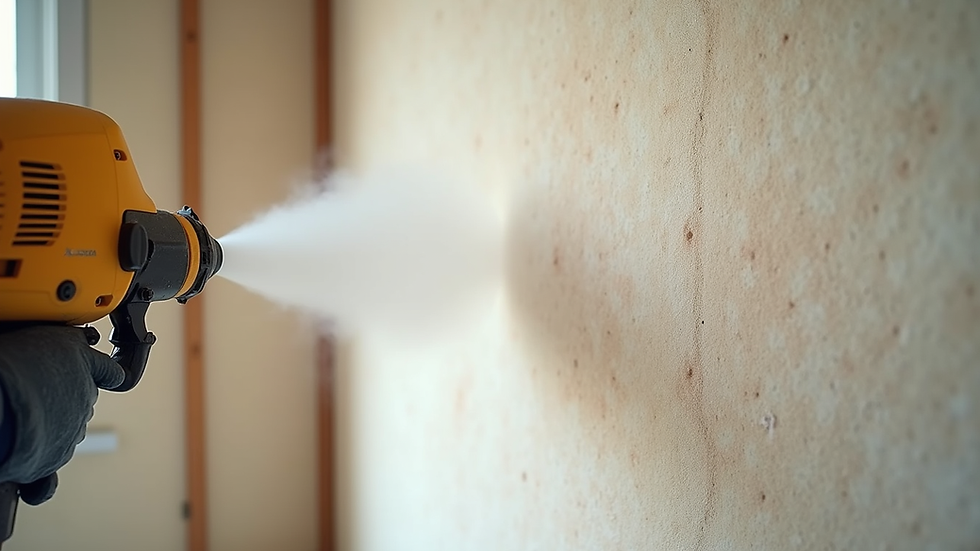
Spray foam: Higher R-value, seals gaps, often qualifies for bigger credits.
Cellulose: Eco-friendly, good for retrofits, usually eligible.
Rigid foam boards: Great for basements and exterior walls, check credit rules.
Think about your climate, budget, and home structure. In Texas, where summers are hot and winters mild, insulation that blocks heat is key. Spray foam or fiberglass with high R-values can make a big difference.

Steps to Claim Your Insulation Tax Credit
Claiming your credit is easier than you think. Follow these steps:
Gather your documents: Receipts, manufacturer’s certification, and installation proof.
Fill out IRS Form 5695: This form handles residential energy credits.
Enter the credit amount: Based on your expenses and limits.
Attach to your tax return: Submit with your federal tax filing.
Keep records: In case of audit, you’ll need proof.
Remember, the credit reduces your tax bill dollar-for-dollar. It’s not a deduction. That means a $500 credit saves you $500 in taxes owed.
Why Local Expertise Matters in Texas
Texas homes face unique challenges. The heat. The humidity. The wide temperature swings. That’s why working with local insulation experts is crucial. They know what works best here.
They understand Texas building codes.
They recommend insulation types that handle heat gain.
They help you navigate local rebates and incentives.
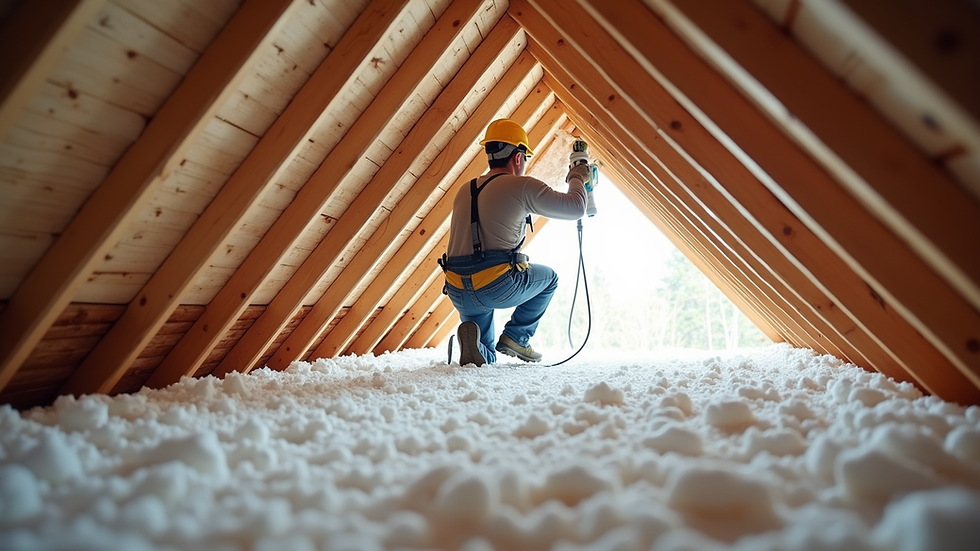
They ensure proper installation for maximum efficiency.
Choosing a trusted provider means you get quality work and peace of mind. Plus, they can guide you through the tax credit process. No guesswork. No surprises.
Take Action Now - Don’t Miss Out on Savings
Here’s the bottom line: insulation upgrades pay off. And tax credits make them even sweeter. But you have to act. Don’t wait until next year. Start planning today.
Schedule an energy audit.
Get quotes from local pros.
Choose the right insulation.
Keep all your paperwork.
File your tax credit claim.
The sooner you do it, the sooner you save. And the more you save, the more comfortable your home or office becomes.
Maximize your savings with insulation tax credits today. It’s smart. It’s simple. It’s worth it.
Ready to upgrade? Contact your local insulation experts now. Save money. Save energy. Save the planet. One wall at a time.

Comments